The mobile gaming industry has become one of the largest and most competitive segments in digital entertainment. Global mobile game revenue alone accounted for over $189 billion in 2025, maintaining its position as the biggest slice of the overall games market and reflecting consistent growth year over year.
At the same time, attracting players is not getting easier.
Mobile user acquisition spend has surged globally in recent years, with advertisers spending billions to compete for attention across platforms and formats.
As a result, developers and publishers can no longer treat marketing as an afterthought. Successful games plan their marketing strategy early, use data to optimize campaigns, and balance acquisition with retention and revenue growth — not just installs.
In this guide, we’ll break down the most effective mobile game marketing strategies used by successful games around the world. You’ll learn how to build visibility, drive installs, keep players engaged, and ultimately grow long-term value for your mobile game.
What is Mobile Game Marketing?
Mobile game marketing is promoting a mobile game to attract, engage, and retain players throughout its lifecycle, from discoverability to monetization.
It involves a mix of organic and paid tactics that increase visibility, drive installs, and nurture players toward loyalty and spending within the game.
Strong mobile game marketing balances multiple channels like ASO, paid ads, influencers, social presence, player communities, and creative ads to grow sustainably.
Without a marketing plan, even popular games can struggle to reach the right audience or sustain long-term growth in crowded app marketplaces.
Why Mobile Game Marketing Is Becoming Crucial Today?
Mobile gaming generated nearly $103 billion in revenue in 2025, representing over half of global gaming revenue, offering a massive opportunity but also signaling intense competition among gaming studios.
Here’s why mobile game marketing has become essential today:
- App Stores Are Overcrowded
Thousands of games launch yearly, making discoverability the biggest challenge. Without a proper marketing plan, even popular games may struggle to appear in search rankings or recommendation algorithms.
- User Acquisition Costs Keep Increasing
Global mobile advertising investment exceeded $78 billion in 2025, forcing studios to optimize targeting, creatives, and channels carefully to avoid wasting budgets on low-quality installs.
- Retention Is Harder Than Ever
Average Day-1 retention for mobile games ranges around 25–35%, but drops close to 5% by Day-30, meaning most acquired users leave unless engagement strategies exist.
- Engagement Now Matters More Than Downloads
Industry data shows sessions increased while downloads declined, proving studios must focus on live operations, events, and ongoing engagement rather than relying only on launch performance.
- Marketing Directly Impacts Revenue Growth
Successful games align marketing with monetization models, ensuring acquired players convert into long-term users instead of short-term installs that generate little lifetime value.
- Player Expectations Have Rapidly Evolved
Modern players expect personalization, community interaction, and continuous updates, making marketing responsible for communicating value, maintaining excitement, and sustaining long-term player relationships.
11+ Top Mobile Game Marketing Strategies Used by Games Globally
Successful mobile games don’t rely on luck or launch hype, they grow by executing marketing strategies that consistently attract the right players, improve retention, and scale revenue sustainably.
Here are the top mobile game marketing strategies used by globally successful games to acquire players efficiently, strengthen engagement, and build long-term, scalable growth.
1. Invest in App Store Optimization
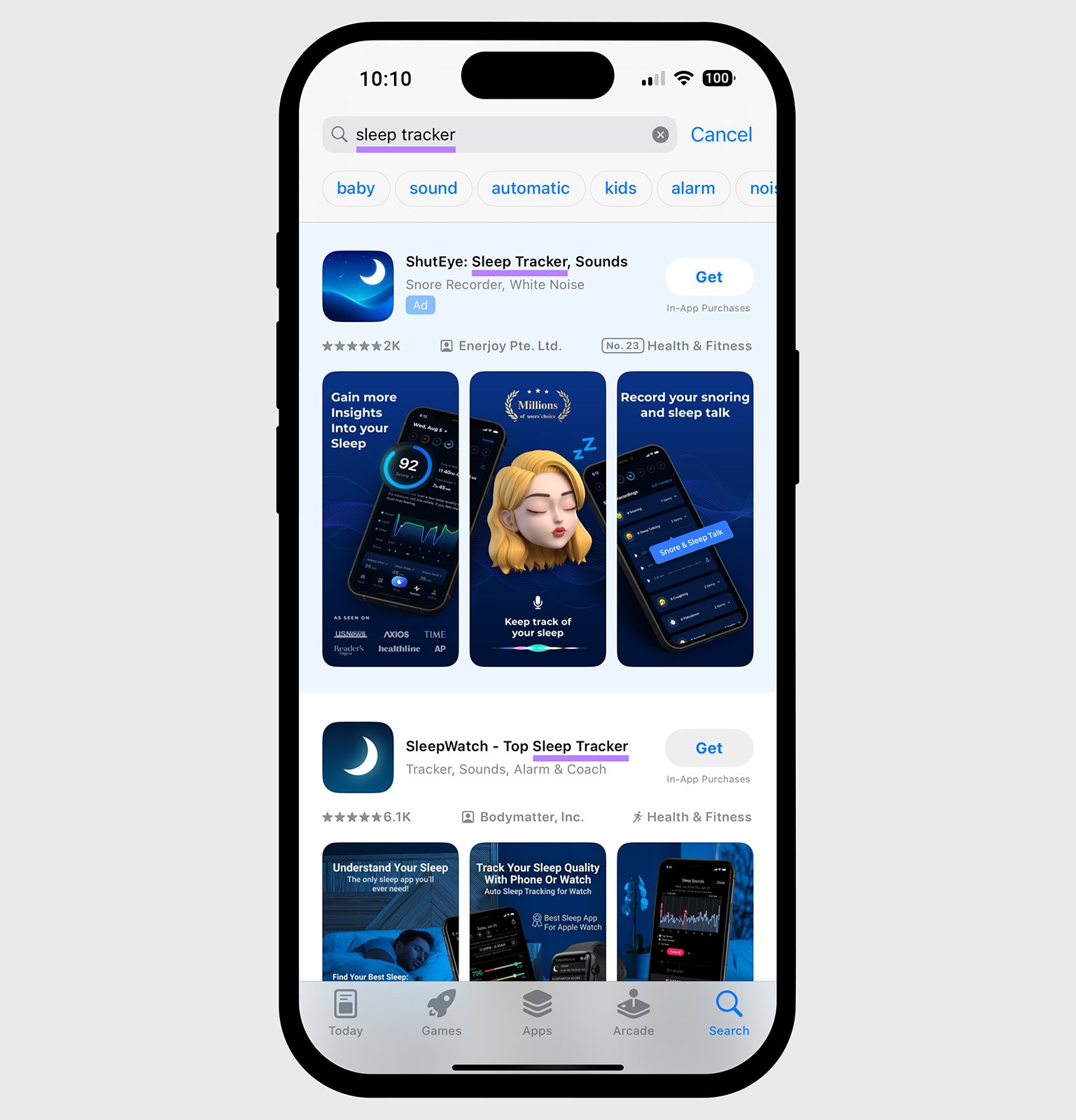
App Store Optimization remains the foundation of mobile game marketing because most players discover games directly through store searches rather than advertisements or external promotion channels.
Around 70% of users use app store search to discover new apps, and nearly 65% of downloads happen immediately after a search, making visibility optimization critical for growth.
ASO improves discoverability by optimizing keywords, visuals, ratings, and descriptions, helping games rank higher while attracting players actively searching, resulting in stronger conversion rates and higher-quality installs.
Key ASO elements that directly impact installs:
- Keyword-focused titles and subtitles aligned with player intent.
- High-converting screenshots and gameplay previews.
- Ratings and review management strategies.
- Continuous metadata testing and localization.
Games appearing higher in search results consistently receive more downloads because ranking increases exposure, reduces acquisition costs, and builds sustainable organic growth without continuously increasing advertising budgets.
2. Use Paid User Acquisition Strategically Across Channels
Paid user acquisition helps games scale faster, but success depends on strategic execution rather than spending aggressively across platforms without understanding player quality and lifetime value.
Global gaming user acquisition spend reached nearly $25 billion in 2025, proving that studios increasingly rely on paid channels to compete for visibility and accelerate early growth.
Even average mobile game acquisition costs range between $2 and $6 per install, depending on genre and targeting, making inefficient campaigns one of the fastest ways to lose budgets.
Therefore, some key execution principles for smarter UA campaigns:
- Test creatives rigorously before scaling budgets.
- Optimize campaigns toward ROAS, retention, and cohort performance metrics.
- Segment audiences based on behavior, engagement depth, and in-game actions.
- Pause underperforming ad sets quickly to protect profitability.
Important Tip: The real competitive advantage in 2026 is creative testing. Studios that launch and analyze dozens of variations weekly outperform those relying on static campaigns.
3. Create Gameplay-Type Creatives
Gameplay-focused creatives consistently outperform traditional ads because they show real player experiences, helping users instantly understand mechanics, difficulty, and rewards before installing the game.
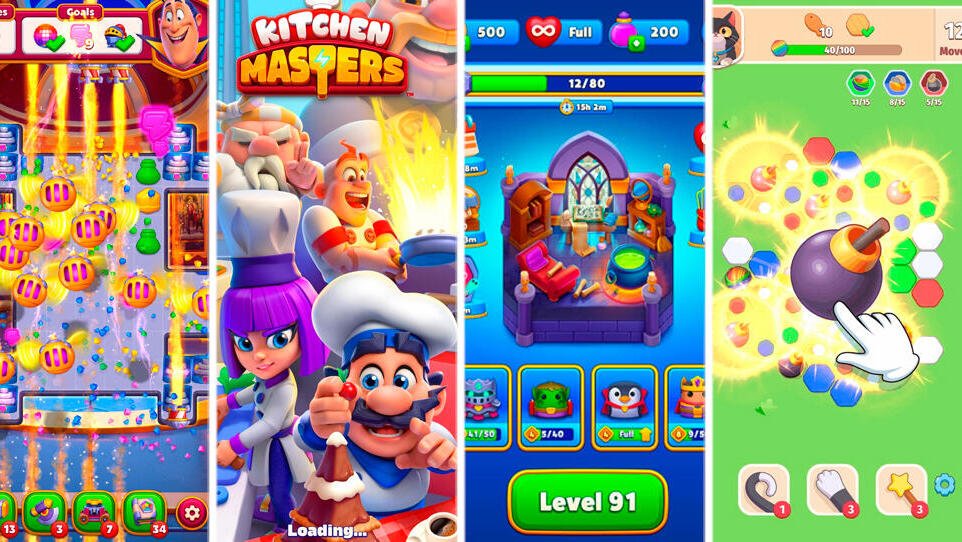
Interactive and playable ad formats generated up to 181% higher engagement compared with standard video ads, proving players respond better when they experience gameplay instead of watching cinematic promotions.
Playable ads are over 20 times more likely to result in installs than banner ads because they pre-qualify users already interested in actual gameplay mechanics.
Here are effective gameplay creatives that usually follow a performance structure:
- Hook players within three seconds using action moments.
- Show core mechanics clearly.
- Highlight progression or rewards.
- End with a strong gameplay outcome.
4. Use Creators and Influencers to Promote Effectively
Gaming creators influence discovery because players trust real gameplay experiences shared by personalities they follow, making creator partnerships more persuasive than traditional advertisements or branded promotional campaigns.
Research shows 9% of global consumers follow gaming creators, rising to 17% among audiences aged 18–34, highlighting creators as a primary discovery channel for younger gaming audiences.

Instead of scripted promotions, successful studios collaborate with creators to showcase authentic gameplay moments, progression experiences, and live reactions that help audiences visualize real in-game value before installing.
Micro and mid-tier creators often deliver stronger performance because niche audiences align closely with specific game genres, improving engagement quality while reducing acquisition costs compared with large influencer campaigns.
5. Build a Strong Gaming Community
Modern mobile games grow through communities, not just marketing campaigns, because players who feel socially connected to others are significantly more likely to return and stay engaged longer.
Players participating in social features like guilds, chats, or shared activities were nearly twice as likely to continue playing beyond the first month compared with solo players.
Platforms like Discord have become central gaming hubs, with over 200 million monthly active users, allowing studios to maintain continuous interaction, feedback loops, and player relationships outside gameplay sessions.
Community-driven environments increase loyalty because players build friendships, share progress, and develop emotional attachment, transforming games from standalone products into ongoing social experiences players revisit regularly.
Here are key community-building actions that improve retention:
- Create official Discord or social hubs early in development.
- Encourage player discussions, feedback, and content sharing consistently.
- Reward active members with exclusive updates or recognition.
- Use community insights to guide live-ops and feature decisions.
6. Run Events, Live Ops, and Competitive Matches to Spark Engagement
Live operations separate growing games from declining ones because continuous updates give players reasons to return instead of exhausting core gameplay within the first weeks.
Top-performing mobile games generate the majority of long-term revenue through recurring live events, seasonal passes, and limited-time challenges that reactivate dormant players consistently.
Games that are operating strong live-ops calendars experience materially higher retention curves compared with static content models lacking event-driven engagement cycles.
Therefore, gaming studios must plan monthly event calendars, competitive tournaments, and rotating game modes transform marketing into ongoing engagement rather than a one-time launch promotion.
7. Focus on User Retention
Retention is now the strongest growth lever because acquiring players has become increasingly costly, making engagement and loyalty essential for profitability.
Mobile game Day-1 retention widely averages around 27–32%, but top titles push Day-7 retention significantly higher by actively optimizing experience and live engagement.
Instead of chasing installs, studios that prioritize retention see stronger lifetime value (LTV) and more predictable monetization, resulting in healthier revenue curves over time.
You can follow these advanced retention tactics, such as:
- Track and optimize retention cohorts weekly.
- Personalize progression pacing based on player behavior segmentation.
- Use dynamic content schedules that adapt to engagement patterns.
- Test in-game messaging triggers that respond to churn indicators.
8. Personalize Marketing Based on Player Interests
Players engage longer when games respond to individual behavior instead of treating everyone equally, making personalization essential for maintaining relevance across different playstyles, motivations, and progression speeds.
Rather than sending identical campaigns, successful studios must analyze gameplay patterns such as session frequency, spending habits, and preferred modes to deliver communication that feels timely and meaningful.
Personalization appears across the entire player journey, from onboarding rewards and adaptive difficulty to creating customized offers that reflect how players interact with challenges, progression systems, and in-game difficulties.
For example, competitive players may receive leaderboard challenges, while casual users see progression boosts or relaxed events, ensuring experiences align naturally with expectations instead of forcing engagement.
9. Optimize Monetization Models
Many mobile games fail not because players dislike gameplay, but because monetization interrupts experience. Winning games design their revenue systems in such a way that they feel like progression (for example, unlocking advantages through play) instead of forced spending.
Free-to-play dominates today’s market, yet only a small percentage of players spend money, forcing studios to balance ads, in-app purchases, and rewards without harming engagement.
Personalized difficulty and reward systems improve engagement by adapting experiences to player behavior, showing monetization performs better when aligned with satisfaction rather than aggressive conversion tactics.
Instead of pushing purchases early, successful games introduce monetization gradually, allowing players to experience value first, which builds trust and increases long-term willingness to spend naturally.
Common monetization approaches used strategically include:
- Cosmetic upgrades that enhance identity without affecting fairness.
- Battle passes rewarding consistent engagement over time.
- Rewarded ads offering optional progression advantages.
The most effective monetization strategy should feel like an upgraded experience rather than creating obstacles, delivering premium value naturally while players remain engaged, satisfied, and invested in longer gameplay journeys.
10. Learn from Competitors Instead of Copying Them
Successful gaming studios study competitors to understand player expectations, market gaps, and engagement patterns, allowing them to make smarter decisions without repeating costly experimentation already tested by similar games.
Competitor analysis reveals which mechanics attract players, which monetization models sustain growth, and where audiences feel underserved, helping games position differently while reducing risk and accelerating strategic clarity.
11. Focus on KPIs That Show Real Game Growth
Not all metrics matter equally. Successful games measure the few that directly correlate with their long-term value, such as retention, session depth, monetization strategies, and community-led expansion.
Downloads are just vanity metrics without context. True success requires understanding how many players return after Day-1, Day-7, and how long sessions last, and how monetization progresses over time.
Examples of meaningful KPIs mobile games track include:
- Retention by cohort comparing Day-1, Day-7, and Day-30.
- Session frequency and average session duration.
- Revenue per daily active user (ARPDAU).
- LTV relative to acquisition cost (LTV:CPI).
When teams align on growth gaming KPIs that matter, optimization becomes a performance conversation based on predictable impact rather than assumptions or superficial benchmarks.
12. Retarget Players Who Left the Game
Most mobile games lose a large portion of players within the first week, yet many leave without losing interest, simply because they’re waiting for meaningful updates, rewards, or renewed interests to return.
Retargeting campaigns often outperform acquisition because returning users convert up to 43% more frequently and can reduce acquisition costs by nearly 42%, making re-engagement significantly more efficient than attracting new audiences.
Players usually churn due to stalled progression, difficulty level spikes, or content fatigue, meaning personalized reminders, comeback rewards, or new feature announcements can successfully reactivate curiosity and restore engagement among players.
When studios treat these churned players as recoverable audiences instead of lost users, previous marketing investments continue generating value, extending lifetime engagement without continuously increasing acquisition pressure.
As these strategies show, sustainable growth rarely depends on constant expansion alone, but on strengthening relationships with players already familiar with the game experience.
Conclusion
Mobile game success today depends less on launching frequently and more on building systems that continuously attract, engage, and retain players throughout evolving gameplay and market competition cycles.
Gaming studios that grow sustainably treat marketing as an ongoing process connected with product decisions, player psychology, and data insights rather than running isolated campaigns focused only on installs.
The strategies discussed highlight a common pattern, “games succeed when acquisition, engagement, retention, and monetization work together, creating momentum that compounds instead of resetting after every launch phase”.
As competition intensifies, experimenting thoughtfully, learning from player behavior, and adapting quickly can help you position to long-term growth rather than temporary visibility.
If you’re planning to scale your mobile game or strengthen marketing performance, contact Bizzware and get an expert’s help to scale your mobile game marketing to the next level.