Launching a game today is not the hard part. Getting players to notice it, talk about it, and remember it is where most games struggle.
Some video game marketing campaigns have managed to break through this noise by doing something different. They did not rely only on ads. They created moments players wanted to share, talk about, and be part of.
These campaigns became inspiration points for the entire industry. Not because they had massive budgets, but because they understood player behavior, timing, platforms, and culture better than others.
In this blog, we explore 5+ best video game marketing campaigns that sparked attention, engagement, and community-driven growth, and extract inspiration you can apply while planning your own game marketing strategy.
What Makes a Video Game Marketing Campaign Truly Successful?
A successful video game marketing campaign is not defined only by installs or launch-day spikes. Real success is measured by how deeply a campaign connects with players and sustains momentum.
Instead of asking “How many downloads did this campaign generate?”, smarter studios ask a more important question.
“Did the campaign make players care enough to talk about the game?”
The best video game marketing campaigns consistently share a few critical characteristics that go beyond paid advertising. So, here are a few key elements that separate impactful campaigns from forgettable ones:
- Cultural Relevance: Top campaigns tap into existing player interests, internet culture, or real-world behavior, making the game feel timely rather than promotional.
- Community Involvement: Successful campaigns invite players to participate, share, create, or compete, turning audiences into active contributors instead of passive viewers.
- Platform-Native Execution: Each campaign is designed for where players actually spend time, whether that’s Twitch, YouTube, TikTok, Discord, or in-game environments.
- Strong Emotional Hook: The message creates curiosity, excitement, nostalgia, or urgency, which increases memorability and organic sharing.
- Long-Term Impact: The campaign supports retention, community growth, or brand equity, not just a short-term spike in installs.
So, before you start doing any marketing, ask yourself this: “Will players talk about it even if you stop running ads?”
When these factors align, marketing stops feeling like promotion and starts feeling like part of the game experience itself.
1. Pokémon GO – Real-World AR Hype That Changed Mobile Gaming
Pokémon GO did not launch as just another mobile game. It launched as a real-world experience that blended nostalgia, movement, and discovery into everyday life.
Instead of telling players to download the game, Niantic made curiosity its marketing engine. Players discovered the game by seeing others play it outdoors.
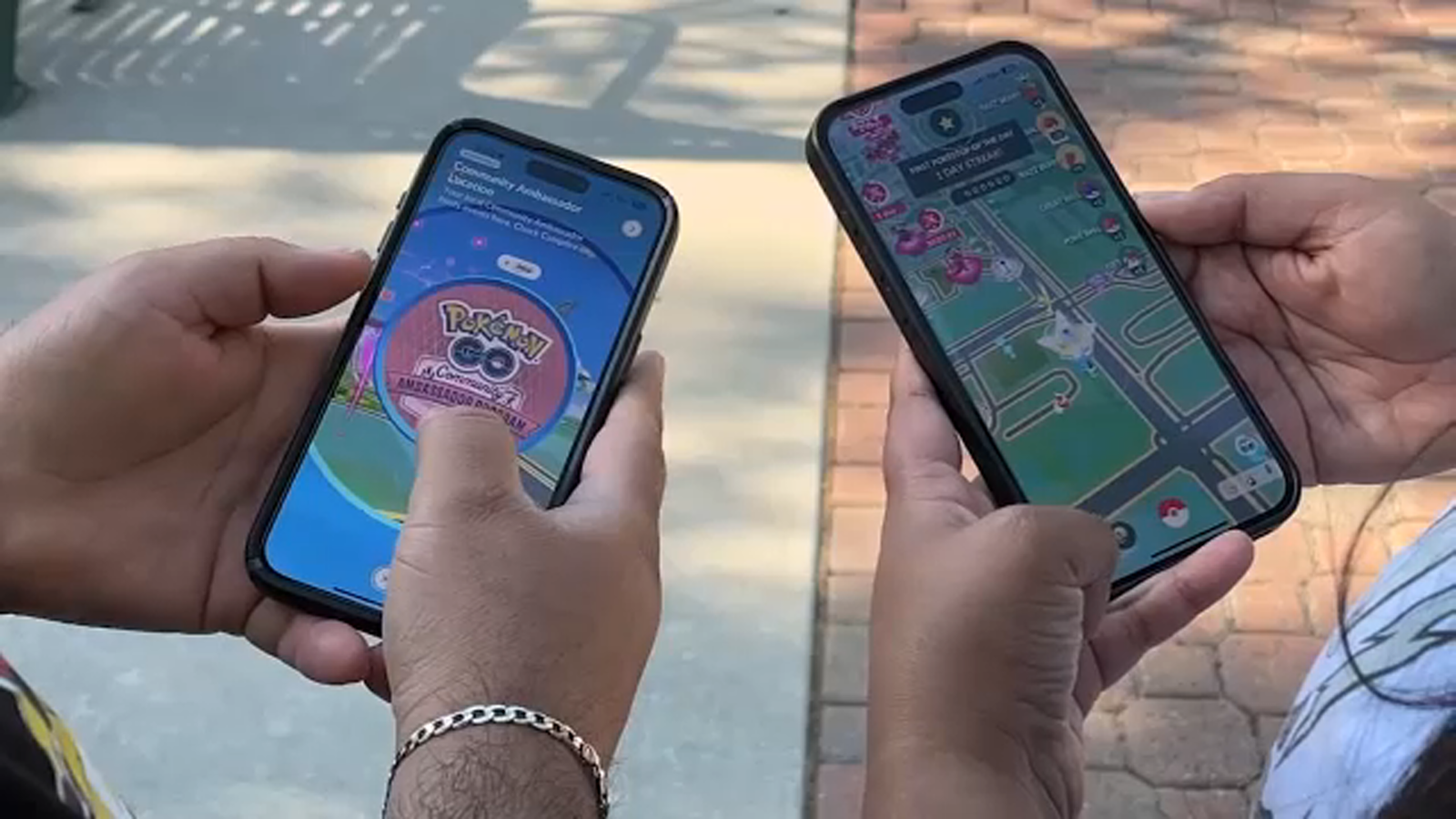
The campaign’s biggest strength was location-based AR gameplay. Parks, streets, and landmarks became part of the game world, turning cities into playable maps.
Social virality followed naturally. Crowds gathering at public locations became free advertising, amplified by social media, news outlets, and user-generated videos.
Within its first month, Pokémon GO crossed 130 million downloads globally, becoming one of the fastest-growing mobile games in history.
The game also generated over $200 million in its first month, proving that experiential marketing can drive revenue, not just awareness.
Key campaign elements that made Pokémon GO iconic:
- Leveraged nostalgia from an existing global franchise.
- Turned physical movement into a social spectacle.
- Encouraged organic sharing through real-world interactions.
- Created FOMO with time-based events and rare Pokémon.
What marketers can take inspiration from:
- Design campaigns that people can experience in real-time.
- Use real-world behavior as a distribution channel.
- Build shareability directly into gameplay mechanics.
- Let players market the game for you through participation.
Pokémon GO shows that when marketing and gameplay are deeply connected, promotion stops feeling like advertising and starts feeling like discovery.
2. Fortnite – Cultural Collaborations That Kept the Game Everywhere
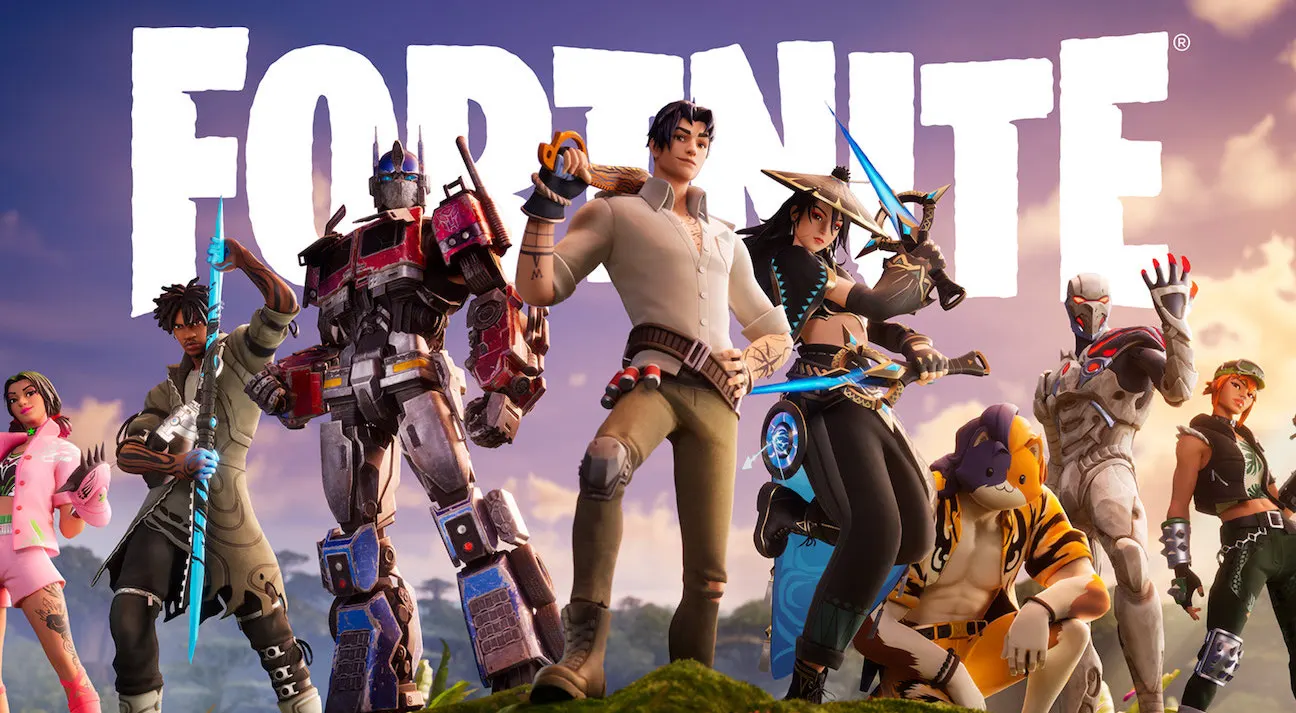
Fortnite’s marketing success came from turning pop culture into gameplay instead of promoting it through traditional or digital ads. Epic Games positioned collaborations as in-game events, allowing players to experience music, films, and brands as part of Fortnite’s evolving universe.
The Travis Scott Astronomical concert became a defining moment. Over 27.7 million unique players attended across multiple showings, proving virtual events could scale beyond physical venues.
Rather than announcing content through trailers, Fortnite revealed collaborations live inside the game, creating surprise, urgency, and massive social sharing.
This approach kept Fortnite culturally relevant years after launch, with every crossover acting as both a marketing push and a retention driver.
How Fortnite executed collaboration-led marketing:
- In-game concerts: Live performances experienced by players.
- Limited-time events: One-time moments encouraged immediate participation.
- Themed cosmetics: Skins and emotes extended campaign visibility post-event.
- Story integration: Collaborations tied into Fortnite’s ongoing narrative.
- Creator amplification: Streamers and creators broadcast events organically.
- Multi-show scheduling: Repeated events maximized global participation.
Fortnite demonstrates that when marketing becomes part of gameplay, players show up willingly, talk about it publicly, and return for the next moment.
3. Among Us – Community-Driven Viral Growth Without Big Budgets
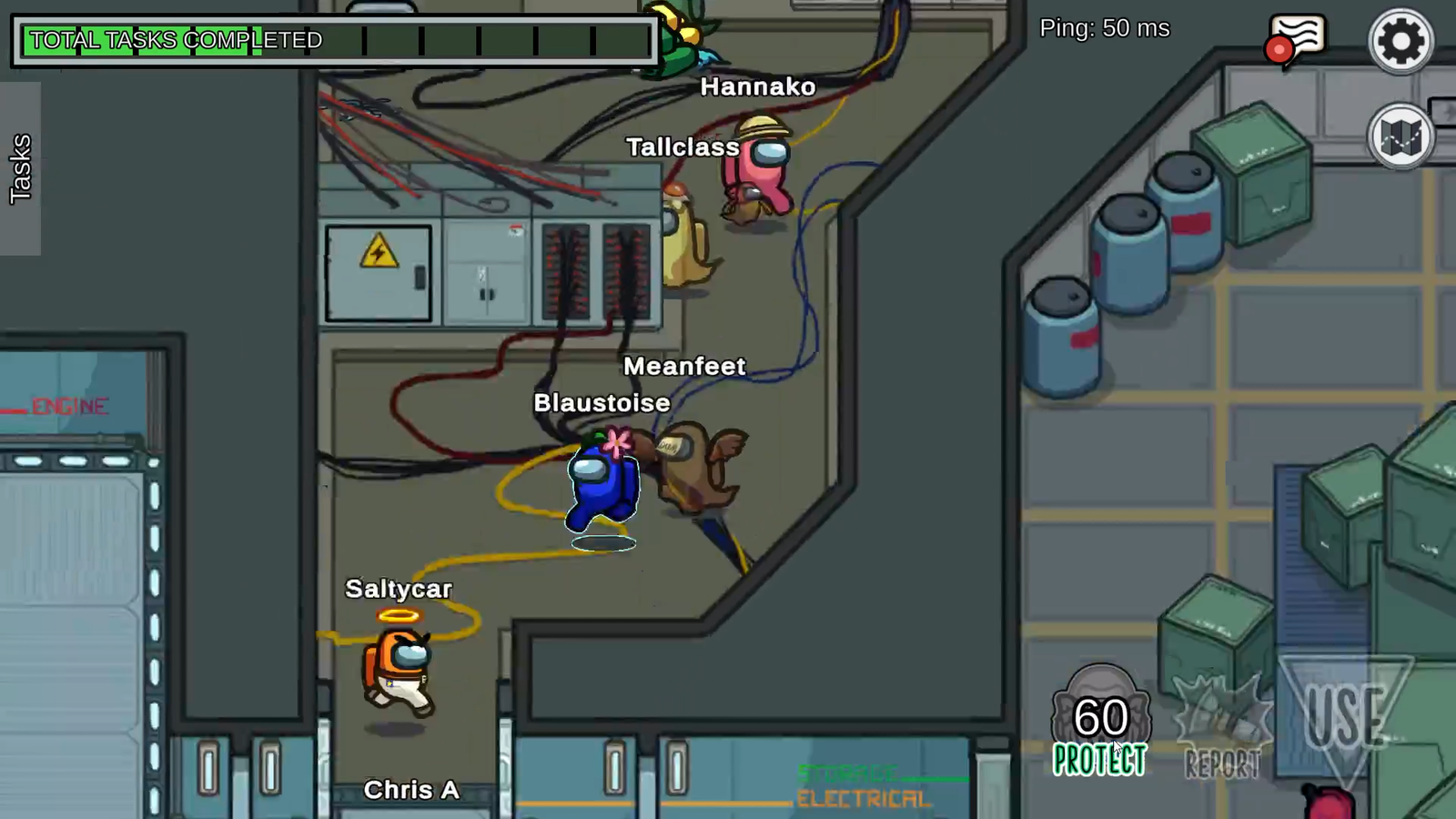
Among Us was released in June 2018, but its popularity surged in 2020 after creators started streaming it heavily on Twitch and YouTube.
The game’s social deception gameplay created memorable, shareable moments that were perfect for online video and clip culture.
Instead of launching with a massive ad budget, the developers let the community and creators shape the narrative. User-generated content and reactions became the game’s biggest advertising part.
By late 2020, Among Us had reached roughly 500 million monthly players worldwide, making it one of the most played games of that year.
This explosive organic growth demonstrates that when player communities take ownership of a game’s story, marketing becomes a byproduct of play, not a separate effort.
How Among Us turned community into its marketing engine:
- Streamer gameplay: Organic content drove visibility across platforms.
- Social interaction: Conversation and betrayal moments created viral clips.
- Cross-platform access: Easy play on mobile and PC lowered barriers.
- Meme culture: Humor and clips made the game a cultural topic.
- Participation growth: Players invited friends directly to play.
Among Us proves that when a game is built for social interaction, players market the game by sharing experiences rather than seeing it as a marketing stunt.
4. Call of Duty: Warzone – Influencer-First Launch Strategy
Warzone’s launch proved that creators can replace traditional advertising when timing, access, and spectacle are engineered correctly. Instead of a slow rollout, Activision coordinated early access with top Twitch and YouTube creators, ensuring millions watched real gameplay before touching the download button.
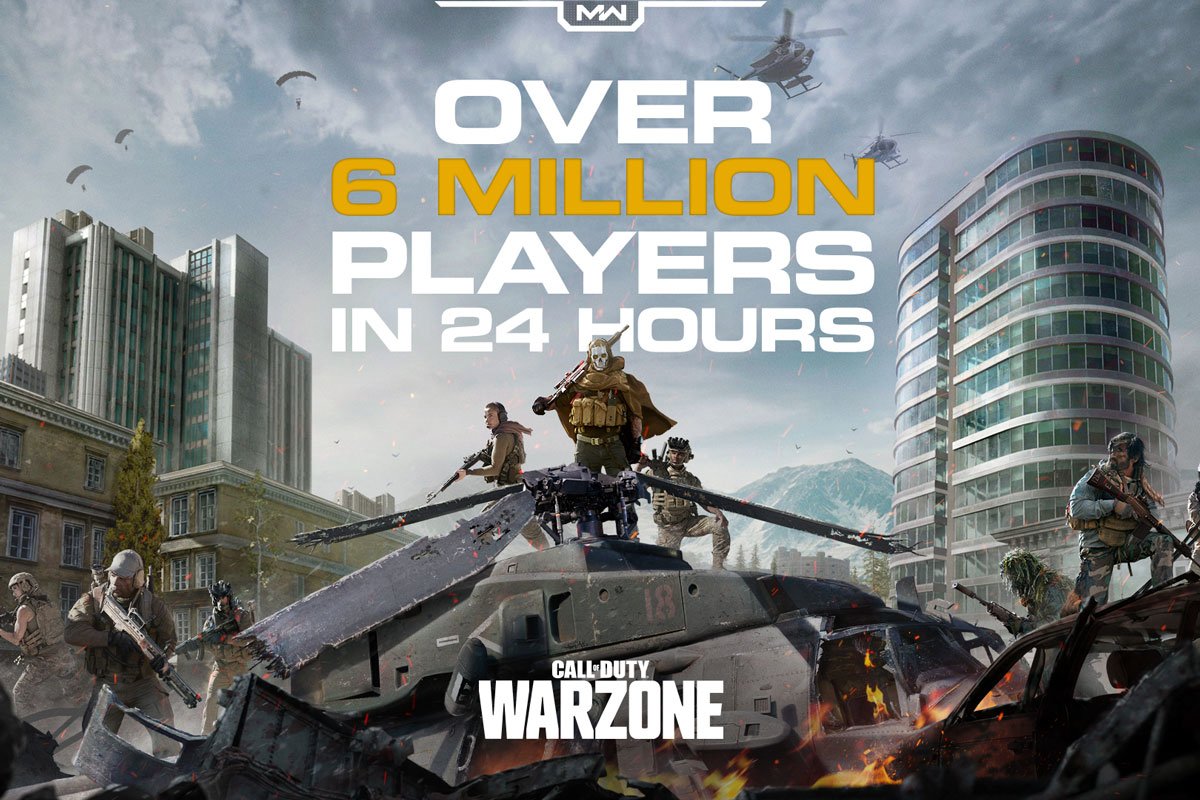
Within 24 hours of launch, Warzone attracted over 6 million players globally.
By its fourth day, the game surpassed 15 million players as word spread through creator streams and shared clips.
On April 10, 2020, Activision announced that Warzone had surpassed over 50 million downloads in its first month. By April 2021, Warzone reached more than 100 million downloads worldwide.
What made Warzone’s campaign execution effective:
- Early creator access: Influencers played before the public, driving anticipation.
- Live competition: Streamed matches created FOMO and instant installs.
- Social proof: Massive viewer counts validated the game’s credibility.
- Low friction entry: Free-to-play removed purchase hesitation.
- Shared moments: Clips, wins, and failures spread rapidly across platforms.
Warzone shows that when creators are treated as launch partners, not any promotion channel or marketing can turn it into real-time demand generation.
5. GTA V – Long-Term Marketing Through Content & Online Evolution
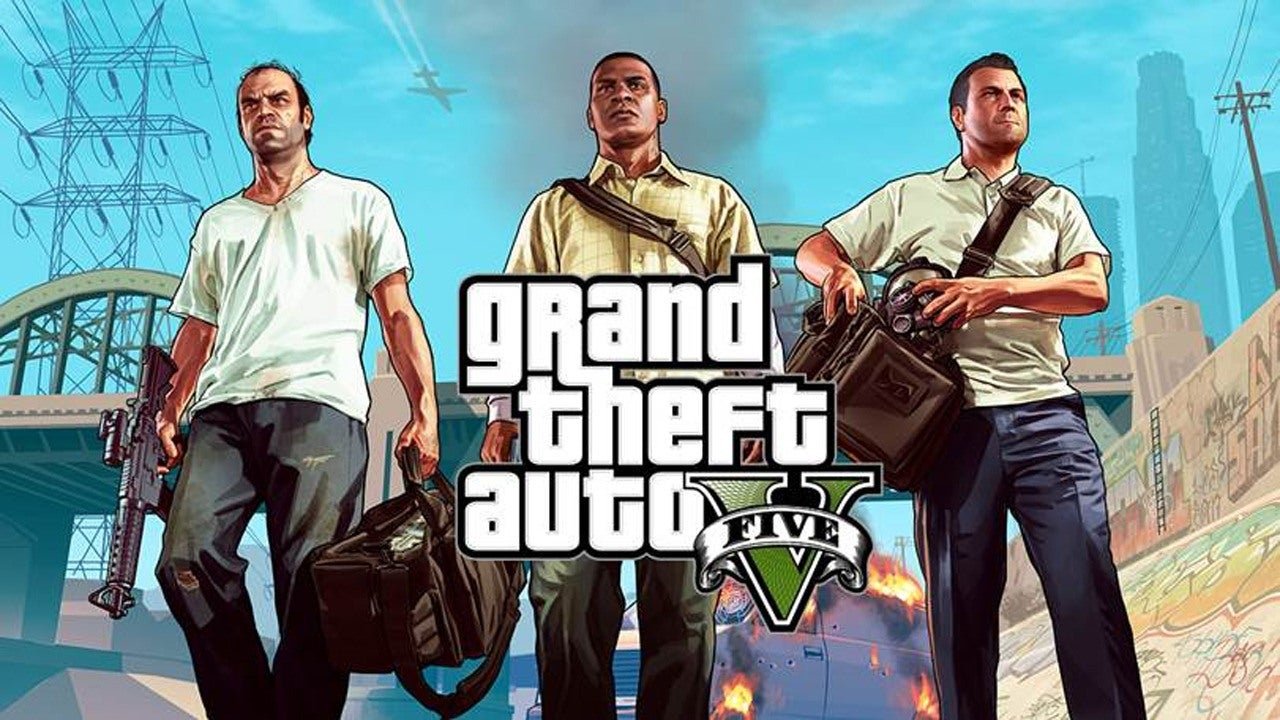
GTA V proves that marketing does not have to end after launch. Rockstar turned the game into a long-term ecosystem that kept players engaged for more than a decade.
Instead of frequent trailers, Rockstar focused on expanding GTA Online, allowing the game to continuously feel new without relaunching marketing campaigns every year.
Regular content drops, heists, vehicles, and seasonal updates acted as recurring marketing moments, bringing players back without heavy paid promotion.
By 2025, GTA V had sold over 220 million copies worldwide, making it one of the best-selling games of all time.
Instead of collapsing after launch hype, the game continued selling millions of units annually long after release, underpinning its evergreen status.
The release of GTA Online transformed a single-player title into a live-service platform, extending relevance across console generations.
How Rockstar sustained GTA V’s marketing momentum:
- Live service updates: New missions and modes kept players returning.
- Player-driven stories: Emergent gameplay created shareable moments.
- Minimal communication: Scarcity of announcements increased attention.
- Community focus: GTA Online became a social sandbox.
- Platform longevity: Releases across console generations renewed interest.
- Content-as-marketing: Updates replaced traditional ad campaigns.
GTA V shows that when content is treated as the core marketing asset, a game can remain culturally and commercially relevant for years without constant promotion.
6. Cyberpunk 2077 – Hype, Expectations, and Marketing Lessons Learned
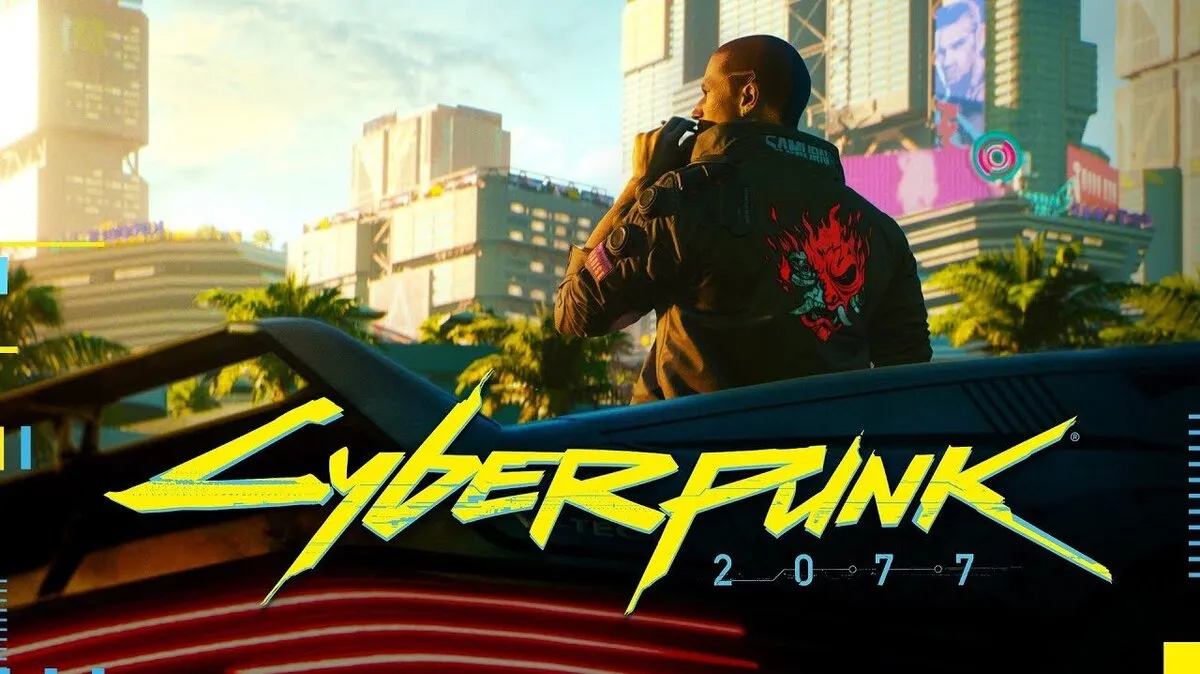
Cyberpunk 2077 launched with one of the most aggressive and visually striking marketing campaigns the gaming industry had ever seen. CD Projekt Red positioned the game as a genre-defining RPG, combining cinematic trailers, celebrity endorsements, and years of controlled information releases.
The campaign succeeded in one critical area. It generated massive anticipation and pre-orders long before launch, making Cyberpunk 2077 a global conversation.
Before release, the game crossed over 8 million pre-orders, driven largely by marketing momentum and brand trust built from The Witcher franchise.
However, the campaign struggled where execution and reality diverged. Launch-day technical issues broke the trust marketing had carefully built.
Despite early backlash, Cyberpunk 2077 sold over 13 million copies within its first few weeks, showing how powerful hype can be in driving initial demand. In the years since, the game has continued selling, eventually surpassing 35 million copies sold worldwide, making it one of CD Projekt Red’s biggest revenue drivers.
The long-term lesson came later. Continuous updates, patches, and the Phantom Liberty expansion helped rebuild credibility and player sentiment over time.
What Cyberpunk 2077’s campaign teaches marketers:
- Hype amplifies expectations: The stronger the promise, the higher the risk.
- Marketing must match product readiness: Visibility cannot replace stability.
- Transparency matters post-launch: Silence worsens backlash.
- Recovery is possible: Ongoing improvements can restore brand trust.
- Community listening is critical: Feedback guides redemption.
Cyberpunk 2077 proves that great marketing can drive scale quickly, but sustainable success depends on aligning hype with deliverable player experience.
Key Takeaways From the Best Video Game Marketing Campaigns
When you study the best video game marketing campaigns closely, one thing becomes obvious. Results come from how players experience the campaign, not how aggressively it is promoted.
These campaigns succeeded because marketing was designed around player behavior, not media spend or launch hype alone.
Core lessons studios and marketers should apply:
- Experiential marketing wins: Campaigns that let players participate through events, gameplay, or live moments generate stronger recall and organic sharing than static ads.
- Community amplification matters most: Streamers, creators, and player communities scale reach faster and more authentically than paid promotion when given freedom to engage naturally.
- Timing outweighs frequency: Well-timed launches, updates, or collaborations create spikes of attention that constant messaging fails to achieve.
- Retention is part of marketing: Live-ops, seasonal updates, and expansions keep games visible long after launch and turn existing players into repeat promoters.
- Expectation management is critical: Marketing must align with product readiness, as overpromising damages trust faster than limited exposure.
- Content replaces advertisements: In modern game marketing, updates, collaborations, and gameplay moments function as the campaign itself.
So, whenever before launching a video game campaign next time, pause and reflect on this:
- Will players talk about this game without incentives?
- Does this moment fit naturally into how players already interact?
- Can this game campaign evolve post-launch instead of ending?
If you feel confident about this, “you’re good to go”.
That’s how the best video game marketing campaigns makes you win, creating new opportunities, increasing gaming participation, monetization options, and building long-term player relationships across your games.
Conclusion: Turning Campaign Inspiration Into Real Game Growth
The best video game marketing campaigns succeed because they respect how players discover, share, and emotionally connect with games. They prove that marketing works best when it feels like part of the experience, not an interruption around it.
For studios and publishers, the goal is not to copy these campaigns. It is to understand why they worked and adapt those principles to your game, audience, and stage.
Whether you are launching a new game or scaling an existing one, inspiration only delivers results when backed by strategy, timing, and execution.
If you want to turn campaign inspiration into measurable growth, Bizzware helps game studios plan, launch, and scale marketing strategies built for modern player behavior. Contact us to get help from an expert today!