

Why do some mobile games scale to millions of players while others disappear despite strong gameplay? The difference lies in how user acquisition is executed.
Firstly, user acquisition is the process of attracting the right players through marketing channels, ensuring installs translate into engagement, retention, and revenue growth.
In 2024, mobile games generated about $92 billion globally, proving demand exists, yet discoverability remains the real challenge for studios competing across saturated app marketplaces.
Today, gaming studios face three connected acquisition problems that directly impact growth outcomes and marketing efficiency across launch and scaling phases globally:
- Games struggle to gain visibility despite strong production quality.
- Organic installs remain unpredictable and difficult to scale.
- Paid campaigns fail when retention and targeting are misaligned.
Therefore, in this guide, we’ll break down what you can do to make user acquisition for mobile games easier, implement proven strategies, and allow your game to build predictable growth instead of relying on inconsistent installs or unnecessary advertising spending.
Why User Acquisition for Mobile Games Is Important?
Publishing a mobile game today does not automatically bring players. With billions of downloads happening yearly, visibility depends less on launch timing and more on structured acquisition execution.
Mobile games have recorded more than 50.4 billion downloads globally in 2025, making it a lucrative opportunity, yet getting attention for it still remains limited, forcing studios to actively compete for player discovery and engagement.
Without steady acquisition, gaming studios may struggle to understand player behavior patterns, optimize onboarding experiences, or identify monetization opportunities, slowing iteration cycles and weakening long-term scalability potential.
Key reasons user acquisition matters for mobile games:
- To understand predictable install growth rather than depending on algorithm changes.
- Implementing faster optimization with real player behavior insights.
- Improving targeted acquisition retention by attracting relevant audiences.
- Forecasting revenue through measurable performance signals.
Industry reports show that gaming apps spent nearly $29 billion globally on user acquisition advertising, proving that structured marketing investment has become essential for growth instead of optional experimentation.
That’s why today, user acquisition functions as a measurable growth system that helps you connect discovery, engagement, retention, and monetization, allowing you to scale games strategically rather than relying only on organic installs.
Key User Acquisition Channels Mobile Game Studios Use Today
User acquisition channels are platforms and ecosystems where gaming publishers can actively promote games to attract new players at scale. Choosing the right mix directly impacts CPI, retention, and long-term ROAS performance.
Below are five high-performing user acquisition channels mobile game studios rely on today:
1. Paid Social Advertising (Meta, TikTok, YouTube)
Paid social platforms dominate mobile game acquisition because short-form gameplay videos communicate core mechanics instantly, improving click-through rates and install conversion efficiency significantly.
Video-led campaigns on social platforms have shown conversion lifts of up to 20% compared to static formats, making creative execution central to scalable acquisition performance.
These platforms offer advanced targeting using behavioral data, enabling studios to reach lookalike audiences, high-value spenders, and genre-specific player segments across global markets efficiently.
2. Google App Campaigns (UAC)
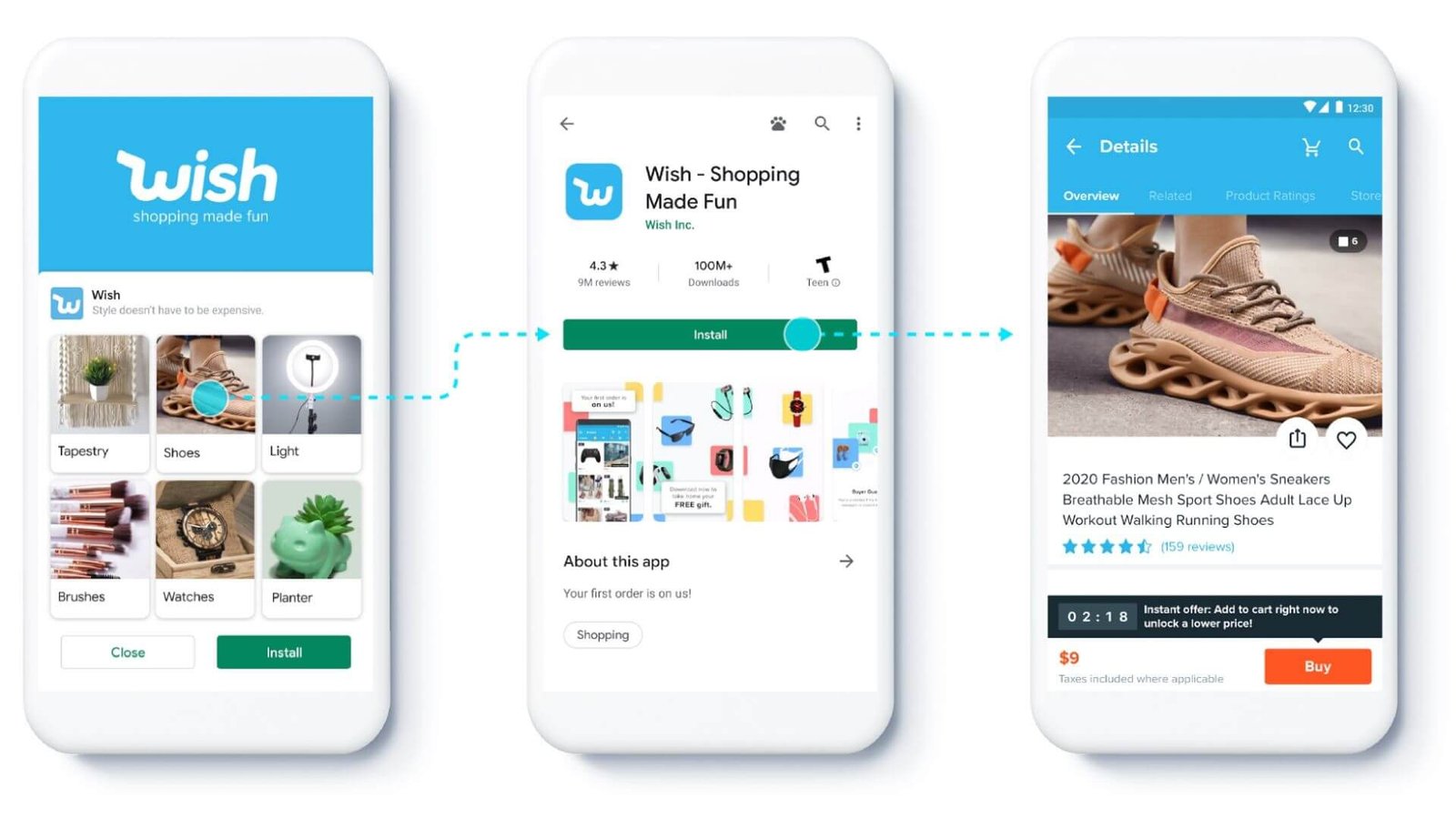
Google App Campaigns capture high-intent users actively searching for games on Google Search, YouTube, and Google Play, increasing the probability of installs from motivated players.
Automation powered by machine learning optimizes bidding toward in-app events such as purchases or retention, shifting focus from cheap installs to profitable users.
3. Influencer and Creator Marketing
Gaming influencers convert attention into installs by showcasing real gameplay to established communities, creating trust-driven acquisition rather than interruptive advertisement-based discovery funnels.
Creator-led campaigns frequently drive higher engagement quality because audiences experience mechanics, progression, and rewards before installing, filtering low-intent users naturally.
Micro-influencers particularly perform well for niche gaming genres, helping studios acquire highly aligned player segments with stronger retention and monetization potential.
4. Mobile Ad Networks and Programmatic Platforms
Ad networks like Unity Ads and AppLovin distribute campaigns across thousands of apps using rewarded, playable, and interstitial formats to scale reach beyond social ecosystems.
Rewarded video and playable ads increase install intent because users interact with the experience before downloading, reducing post-install churn caused by mismatched expectations.
Programmatic bidding systems also allow real-time budget optimization, helping take control of CPI while scaling campaigns toward high-value audience clusters efficiently.
5. Apple Search Ads and App Store Advertising
Apple Search Ads target users directly within the App Store when they search for relevant keywords, capturing demand at the decision-making stage.
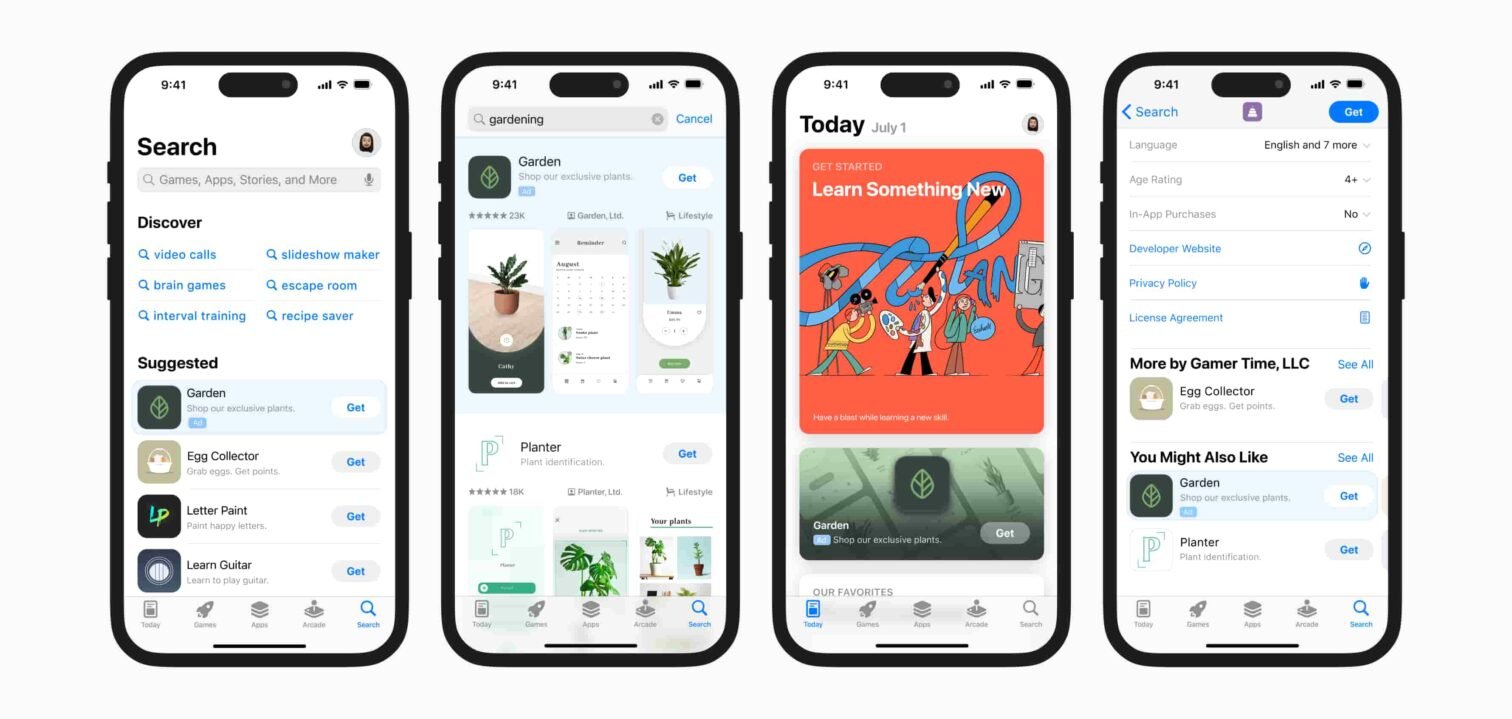
Search-based acquisition typically delivers the strongest conversion rates because users already demonstrate intent, making it effective for competitive genres and branded keyword defense strategies.
Also, keyword-level bidding can protect organic rankings while driving incremental installs from high-value search traffic segments.
Paid vs Organic User Acquisition: Which Channel Gives the Highest ROI?
Mobile game growth today depends on how effectively gaming publishers balance paid and organic acquisition. Each channel influences discovery, retention behavior, and long-term profitability differently across a game’s lifecycle.
Paid acquisition delivers immediate visibility and scalable installs, while organic acquisition builds trust and sustained engagement. Together, they shape player quality, retention performance, and overall marketing efficiency.
But, organically acquired players retain longer, with about 4.5% retention after eight weeks compared to roughly 3.5% for paid users, indicating stronger long-term engagement quality.
At the same time, paid campaigns remain critical because they help in onboarding early players, allowing games to collect behavioral data faster and optimize onboarding, monetization systems, and targeting strategies effectively.
Comparison Between Organic and Paid User Acquisition for Mobile Games:
| Factor | Organic User Acquisition | Paid User Acquisition |
| Primary Growth Driver | App Store discovery, ASO, community, creator exposure | Performance marketing through ads, networks, and campaign targeting |
| Average Cost Structure | No direct media spend, but requires long-term content and optimization investment | Direct CPI-based spending and avg CPI $1.5–$3.5 depending on platform and region |
| Growth Speed | Slow initial growth but compounds over time | Immediate install velocity and scalable growth |
| User Intent Quality | High-intent users discovering the game naturally | Mixed intent depending on targeting and creative accuracy |
| Day 1 Retention Benchmark | ~26–33% average mobile game retention | Often slightly lower unless targeting is optimized |
| Day 7 Retention Benchmark | Around 8–10% industry average | Highly dependent on audience quality and onboarding performance |
| Day 30 Retention Benchmark | ~3–5% typical long-term retention | Can drop below organic if campaigns optimize only for CPI |
| Data Learning Speed | Slower optimization due to limited traffic volume | Rapid testing through large install datasets |
| Impact on App Store Ranking | Builds authority gradually through engagement signals | Boosts rankings quickly via install velocity and conversion signals |
| Scalability Potential | Limited without brand awareness or virality | Highly scalable with budget and creative iteration |
| ROI Timeline | Long-term compounding ROI | Short to mid-term measurable ROAS |
| Best Use Case | Sustainable growth and loyal player base | Launch scaling, testing markets, and rapid expansion |
While both channels offer advantages, the strongest mobile growth strategies combine them intentionally rather than choosing one over the other.
Use these principles to decide where each channel fits best:
- Launch phases benefit from paid acquisition to generate installs and actionable player data quickly.
- Organic channels strengthen retention through ASO, communities, and creator-driven discovery over time.
- Paid installs often trigger additional organic downloads, creating an organic uplift effect that improves overall acquisition efficiency.
- Retention insights from organic users help refine paid targeting toward higher lifetime value audiences.
- Scaling budgets becomes safer once monetization and retention benchmarks validate acquisition profitability.
The highest ROI rarely comes from paid or organic acquisition alone. But, a sustainable mobile game growth happens only when paid campaigns drive discovery while organic channels compound long-term player value.
Top Mobile User Acquisition Metrics to Track
User acquisition success is not measured by installs alone. Mobile game profitability depends on tracking performance signals that reveal player quality, engagement depth, and long-term revenue potential after acquisition.
One who successfully monitors a focused group of metrics connecting marketing performance with product outcomes, ensuring acquisition spending translates into retention, monetization, and sustainable growth instead of vanity install numbers.
Here are the top mobile user acquisition metrics to track:
1. Cost Per Install (CPI)
CPI measures how much it costs to acquire one player through paid campaigns. Usually, mobile game CPI averages between $1.5 and $3.5, depending on platform and geography.
High CPI is not always negative. When retention and lifetime value increase, studios can profitably scale campaigns even with higher acquisition costs and competitive advertising environments.
2. Day 1, Day 7, and Day 30 Retention
Retention indicates whether acquired players are enjoying the game experience or not. Average benchmarks show roughly 29% Day-1 retention, around 8% Day-7 retention, and near 3% Day-30 retention across mobile games.
Retention directly predicts monetization potential. Games losing players may struggle to recover acquisition costs, making onboarding optimization one of the highest-impact improvements for marketing performance.
3. Lifetime Value (LTV)
Lifetime Value estimates the total revenue generated by a player throughout their engagement period. It determines how much studios can safely spend on acquisition while maintaining profitable growth margins.
When LTV exceeds CPI consistently, acquisition becomes scalable. Studios often align UA optimization toward high-value users rather than maximizing install volume alone.
4. Return on Ad Spend (ROAS)
ROAS measures revenue generated for every dollar spent on acquisition campaigns. It helps teams decide whether campaigns should scale, pause, or shift targeting strategies.
Benchmark ROAS expectations vary by genre and region, but profitable campaigns typically aim to recover acquisition costs within 90 to 180 days after installation.
5. Average Revenue Per User (ARPU)
ARPU provides a high-level profitability snapshot by measuring revenue generated per player. It helps studios compare monetization efficiency across regions, campaigns, and player segments.
Tracking ARPU alongside retention reveals whether revenue growth comes from healthy engagement or short-term spending spikes driven by a small percentage of users.
Together, these metrics transform user acquisition from advertising activity into a measurable growth system, helping studios optimize decisions using data instead of assumptions or short-term install performance.
How To Build a User Acquisition Strategy for Mobile Games (Step-by-Step)
A successful user acquisition strategy focuses on acquiring players who retain and monetize. So, here’s how you can build a scalable user acquisition strategy for your mobile game.
Step 1: Define Acquisition Targets That Match Profitability
Before running campaigns, you must define measurable targets such as acceptable CPI ranges, retention thresholds, and payback timelines, ensuring acquisition spending aligns with sustainable revenue generation.
Global mobile gaming acquisition costs average close to $2 per install, which means profitability depends more on player lifetime value than on minimizing advertising spends only.
Step 2: Identify High-Value Player Segments
Effective acquisition begins with understanding who the game is designed for. Genre behavior, session patterns, and spending tendencies help shape targeting decisions that reduce wasted acquisition budget.
Focus on defining player personas, such as:
- Competitive players focused on rankings and PvP progression.
- Casual players prefer short, low-commitment sessions.
- Social players are driven by multiplayer and community interaction.
- Spending-driven users are interested in upgrades and customization.
- Exploration players are motivated by story and long-term progression.
Defined persona helps in mapping the right players aligned with gameplay expectations, improving engagement quality while reducing churn.
Step 3: Optimize Store Conversion Before Traffic Scaling
App store pages directly influence install conversion rates. Gameplay-focused visuals, localized descriptions, and strong first impressions increase conversion efficiency once campaigns begin driving acquisition traffic.
Improving conversion rates reduces effective acquisition cost because more visitors install without increasing advertising budgets, strengthening overall campaign economics immediately.
Step 4: Test Across Channels and Creatives
Early acquisition phases should evaluate multiple creatives, audiences, and platforms simultaneously to identify performance signals before allocating larger budgets toward expansion.
Retention and engagement data provide stronger scaling indicators than install volume, helping teams avoid expanding campaigns that attract users unlikely to remain active.
Step 5: Continuous Optimization Using Player Data
User acquisition improves through ongoing iteration. Teams analyze retention curves, monetization behavior, and ROAS trends to refine targeting, bidding models, and creative direction consistently.
Games that evolve campaigns using behavioral data transform acquisition into a predictable system, allowing marketing performance to improve alongside product updates and live-operations improvements.
Step 6: Connect Acquisition With Retention Systems
Acquisition performance depends heavily on onboarding experience, early progression balance, and reward systems. Weak first-session experiences can increase churn and waste marketing investment regardless of campaign performance.
Mobile games should typically retain around 26–27% of players on Day-1 and roughly 8% by Day-7, reinforcing how early gameplay experience determines long-term acquisition profitability.
5 Best Mobile User Acquisition Strategies
Modern mobile acquisition succeeds when only strategies attract players already interested in your game, which can increase retention and monetization instead of optimizing only for installs.
Here are the best mobile game user acquisition strategies you should follow.
1. Playable Ads That Pre-Qualify Players
Playable ads allow users to try core mechanics before installing, filtering low-intent clicks. Interactive formats deliver up to 319% higher conversion and significantly stronger retention compared to traditional video creatives.
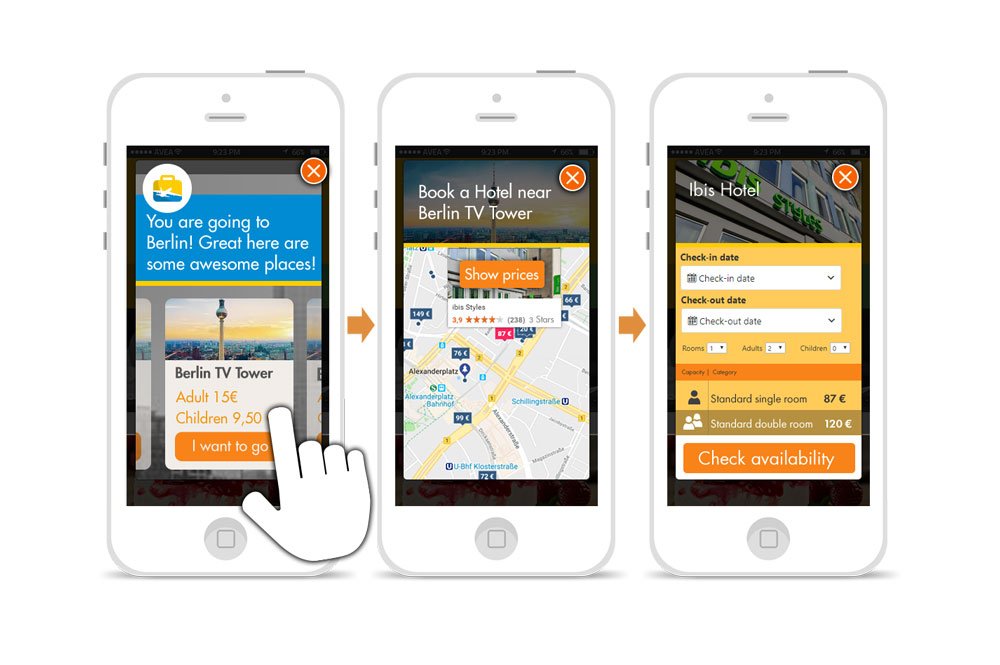
Why this works:
- Players understand gameplay expectations before installing.
- Lower churn improves long-term ROAS performance.
- Interaction data reveals which mechanics attract players most.
2. Behavior-Driven Creative Iteration
High-performing campaigns evolve creatives using player interaction signals such as watch duration, engagement drops, and conversion behavior rather than relying on static branding assets alone.
Gaming advertisers now produce millions of creatives annually, showing that continuous iteration has become necessary to maintain performance and prevent rising acquisition costs caused by creative fatigue.
Quick optimization checklist to implement:
- Analyze the first three seconds of engagement to refine opening gameplay moments.
- Adjust messaging when installs increase but retention declines.
- Test difficulty perception to attract the correct player segment.
- Refresh creatives regularly to prevent audience fatigue.
3. Creator-Led Gameplay Discovery
Creator gameplay content introduces games through trusted entertainment environments, allowing audiences to evaluate mechanics naturally before installing, improving acquisition quality compared to interruption-based advertisements.
A significant portion of gaming audiences report discovering new games through creators, making influencer partnerships effective for reaching niche communities aligned with specific genres.
4. Soft Launch Data Validation Before Expansion
Regional soft launches validate retention, progression balance, and monetization performance before global scaling, preventing budget waste caused by acquiring players into unoptimized gameplay systems.
Teams validating gameplay metrics before expansion improve acquisition efficiency because campaigns scale only after engagement signals confirm long-term player value potential.
5. Focus on Community-Driven Growth
Active communities transform players into acquisition channels through shared clips, discussions, and referrals, creating continuous discovery without directly increasing advertising investment.
Games supported by strong communities benefit from social proof, increasing installs while improving retention because players join an active ecosystem instead of isolated gameplay experiences.
Conclusion
User acquisition for mobile games has evolved beyond driving installs. Sustainable growth now depends on acquiring players who retain longer, engage consistently, and contribute meaningful lifetime value.
Paid acquisition helps to onboard early player acqusition, while organic growth strengthens trust and retention, making balanced channel execution essential for predictable and scalable game growth.
Key takeaways from this guide:
- User acquisition works best when focused on player quality instead of install volume.
- Retention and onboarding directly influence acquisition profitability.
- Scaling campaigns becomes safer only after monetization and engagement signals stabilize.
Need help building a scalable user acquisition strategy for your game? At Bizzware, we help growing games plan marketing, execute campaigns, and optimize acquisition systems that drive long-term revenue impact. Contact us to get started.