Marketing a video game is about creating visibility before launch, building demand across the right player communities, and turning that attention into sustained sales.
Many developers assume launching on Steam, Epic, PlayStation, or Xbox is enough to get discovered. In reality, platforms reward games that already generate external interest.
This is exactly where video game marketing differs from mobile game promotion. Instead of relying heavily on install-driven ads, successful games grow through creating wishlists, creator exposure, community building, and strong first-week momentum.
That means your strategy must start much earlier than launch day. Every trailer drop, demo release, creator preview, and community beat should intentionally increase curiosity and platform visibility.
In this guide, you’ll learn definitive ways to market a video game successfully in 2026 using the same hype-building approaches top games use to dominate attention.
How Is Video Game Marketing Different from Mobile Game Marketing?
Most gaming studios still market video games and mobile games using the same playbook, and that mistake usually kills launch momentum before it even starts.
The reason is simple. Mobile game marketing is built to generate installs quickly, while video game marketing is built to generate anticipation before players decide to buy.
That single difference changes everything, from how long you build hype to which channels actually influence conversions.
| Marketing Area | Video Game Marketing | Mobile Game Marketing |
| What drives growth | Wishlists, creator buzz, demos, reviews | Paid installs, CPI, ROAS |
| Where discovery happens | Steam, Epic, console stores, YouTube, Twitch | App stores, Meta, Google, TikTok |
| What makes players convert | Gameplay trust, reviews, community excitement | Ad hook, fast install, onboarding |
| Best timeline | Build hype months before launch | Soft launch and scale fast |
| What studios should optimize | Wishlist growth and launch-week sales | CPI efficiency and retention |
For studios, this means video game marketing should never be treated like a paid acquisition problem first.
It is a demand-building system where every trailer, creator preview, Steam festival appearance, and demo exists to increase player intent before launch.
That is exactly why successful games dominate week-one sales. They do not wait for launch to start marketing because the real conversion starts much earlier.
So if your studio wants to understand how to market a video game successfully, treat it as a visibility and demand challenge, not an install challenge.
7 Definitive Ways to Market a Video Game Successfully in 2026
The games that dominate launch week rarely depend on one channel. They stack high-impact moves that build hype and convert attention into sales.
These are not broad marketing basics. They are the exact visibility levers top games use to win discovery across Steam, console stores, creators, and communities.
1. Build Wishlist Momentum on Steam Before Launch
For PC and console games, wishlists are one of the strongest early indicators of real launch demand.
A rising wishlist curve tells Steam that your game deserves stronger visibility across discovery queues, Popular Upcoming, and festival placements.
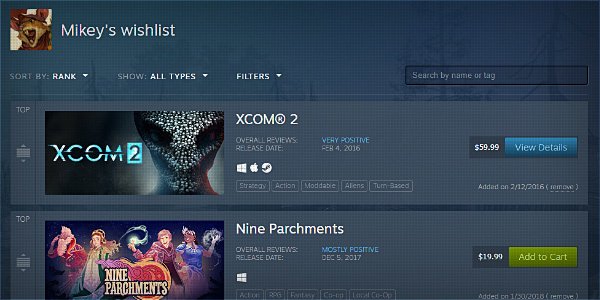
That is why the best-performing games start building wishlist velocity months before release, not weeks before launch.
The most effective way to accelerate that momentum is through repeatable pre-launch beats:
- Launch your Steam page early with strong capsule art and a clear gameplay hook.
- Drop reveals trailers that send traffic directly to the Steam page.
- Use Steam Next Fest demos to convert curiosity into wishlists.
- Give creators early access so gameplay videos drive qualified visits.
- Run Discord, Reddit, and X pushes around every major reveal.
7,000 wishlists are still considered the minimum launch benchmark for reaching Popular Upcoming visibility on Steam.
Games that cross this threshold usually enter launch week with stronger organic impressions and higher day-one sales potential.
The real goal is not collecting wishlists once. It is creating repeated hype spikes that keep pushing players back to the Steam page.
That compounding momentum is what turns Steam from a storefront into your biggest organic growth engine.
2. Use Influencers for Early Access and Gameplay Exposure
For most PC and console games, creator gameplay is where purchase trust is built fastest before launch.
Players do not just want to watch ads. They want to see how the game actually feels in real hands.
That is why influencer marketing for video games can consistently outperform traditional promotional pushes in shaping player intent.
Twitch now sees around 240 million monthly active users, making creator discovery one of the strongest visibility channels for game launches.
The real advantage is not to be reached alone. It is contextual trust, where creators validate your gameplay loop, retention potential, and fun factor.
The best-performing games usually activate creators in a short period:
- Send early builds to niche creators whose audience matches your game genre.
- Time creator drops around demos, beta access, or Steam festival participation.
- Prioritize unscripted gameplay reactions over controlled talking points.
- Cluster multiple creator releases within 48–72 hours to trigger algorithmic spillover.
For studios, this works because creator trust shortens the evaluation cycle between interest and purchase.
Instead of convincing players through ad copy, you let gameplay itself become the conversion mechanism through creator communities.
3. Launch a Playable Demo to Increase Conversion Intent
A playable demo changes how players evaluate your game because it replaces assumptions with real gameplay experience. That matters more for PC and console games, where buyers usually need confidence around feel, pacing, and polish before spending.
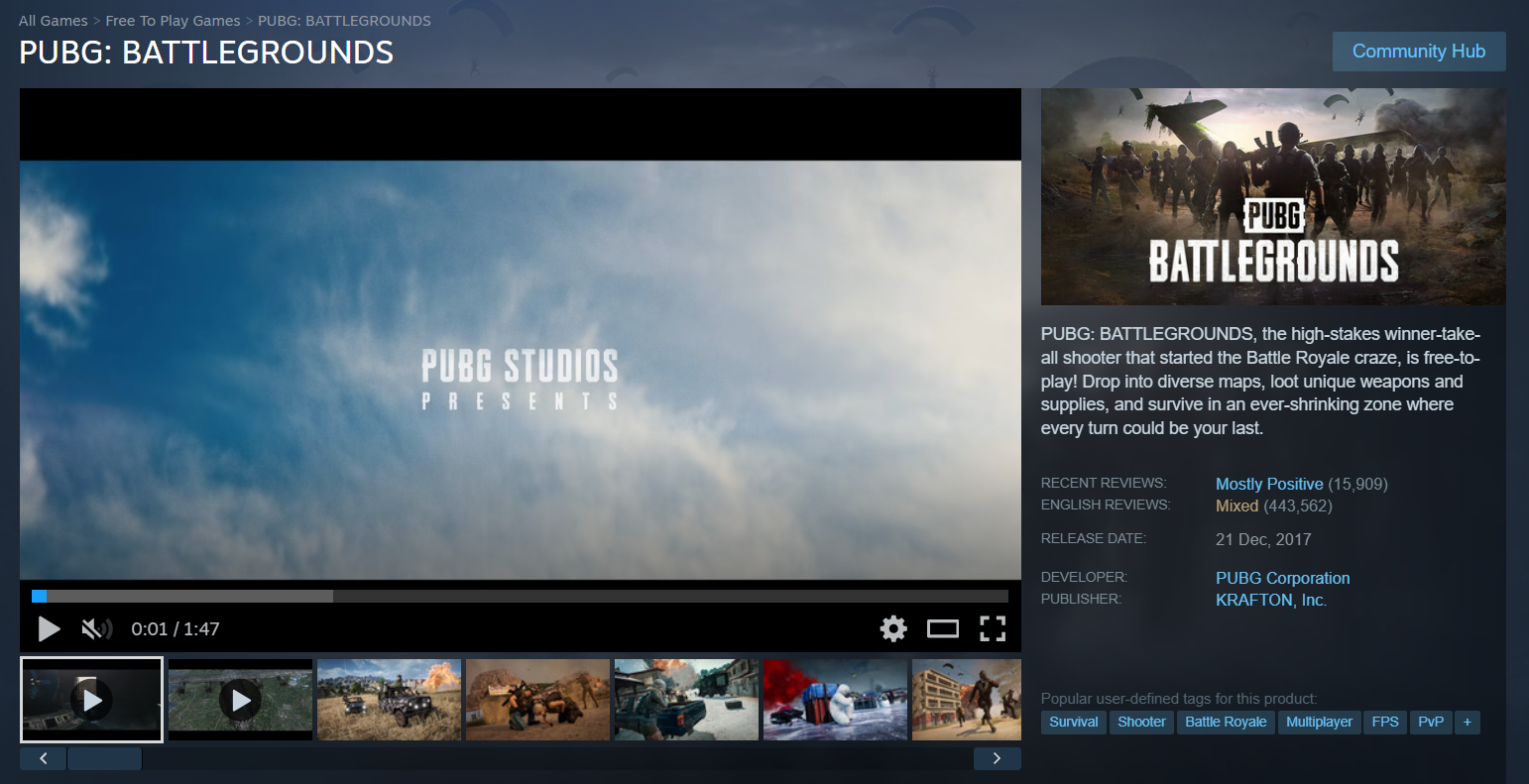
A strong demo removes that hesitation by letting players experience the core gameplay loop before launch.
The smartest studios do not build demos as mini versions. They structure them like conversion funnels designed to increase wishlists. Here’s what it should do:
| Demo Element | What It Should Achieve |
| First 5 minutes | Deliver the strongest fantasy gameplay quickly |
| Mid-demo progression | Reveal the system’s depth and retention hooks |
| Ending point | Stop at a high-curiosity moment |
| Final screen | Push wishlist or follow CTA clearly |
Steam Next Fest campaign data from June 2024 shows demo-to-wishlist conversion can average nearly 20% when the experience is intentionally structured.
That is why breakout games use demos as both discovery assets and purchase-intent accelerators.
For studios, the real win is not demo downloads alone. It is how efficiently that session turns interest into wishlist momentum.
4. Create Scroll-Stopping Gameplay Trailers That Sell
Your trailer often decides whether players click through, wishlist, or forget your game within seconds.
That is why the opening matters more than the full game show. Players first respond to emotional immersion, then evaluate gameplay depth.
The highest-converting trailers sell one thing fast, the world fantasy players want to step into.
This is exactly why GTA 6’s second trailer generated 475 million views in 24 hours, because the opening instantly sold world fantasy and emotional immersion.
The same principle applies to any studio learning how to market a video game successfully.
Instead of starting with logos or slow cinematics, the smartest teams open with the most emotionally loaded gameplay or world moment.
A high-converting gameplay trailer usually works best when:
- The first 3 seconds sell fantasy, tension, or spectacle.
- The next few seconds reveal real gameplay hooks.
- The middle deepens the world and the repeatable player loop.
- The ending pushes wishlist, demo, or release CTA.
The commercial goal is to make players imagine themselves inside the experience before they begin analyzing features. Once that happens, the trailer stops behaving like an announcement asset and starts actively increasing launch demand.
5. Engineer Community Hype Through Discord and Events
The games that sustain hype longest usually build it inside communities, not only on storefronts or creator channels.
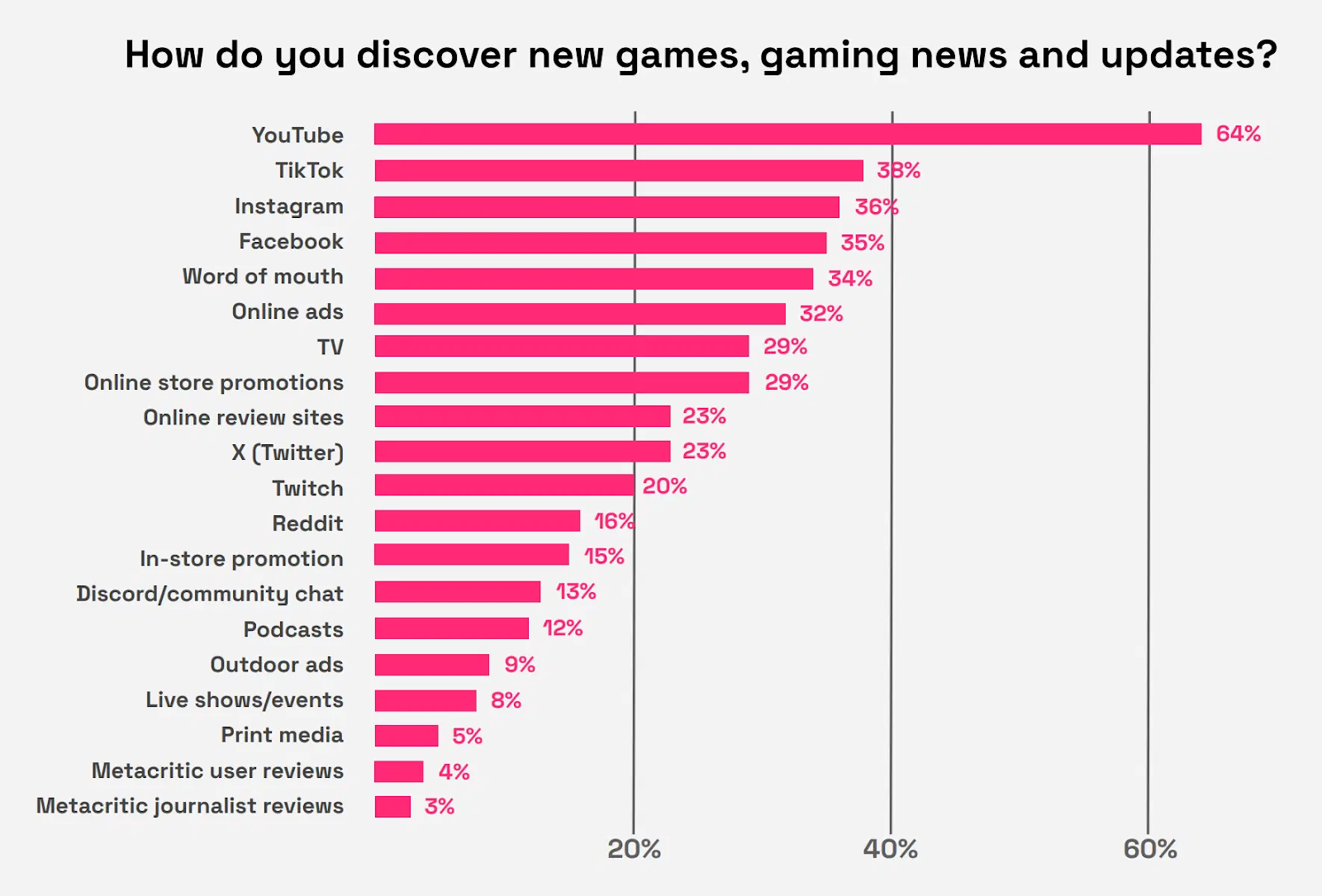
That is why Discord has become a core growth layer for video game marketing, especially before launch and during live moments. Over 90 million people now use Discord every day for gaming conversations, squad formation, and post-session discussions.
For studios, this changes the community from a support channel into a launch-demand engine.
The most effective teams create repeatable hype beats inside Discord:
- Run gated playtests or closed beta drops for active members.
- Share dev logs, patch previews, and behind-the-scenes world reveals.
- Host live AMAs during trailer drops or festival appearances.
- Reward early members with exclusive roles, cosmetics, or access.
These actions are not random engagement tactics. Each one is designed to trigger specific growth and retention outcomes inside your community.
| Community Trigger | Growth Outcome |
| Beta access drops | Immediate member spikes and feedback loops |
| Live event watch parties | Higher trailer retention and social sharing |
| Exclusive roles or rewards | Stronger belonging and repeat visits |
| Dev interaction threads | Trust and long-term advocacy |
What makes this powerful is the compounding social layer. Every active player conversation becomes organic hype for the next wave of players.
The smartest studios do not wait until launch to build community. They turn Discord into the place where anticipation lives every day.
6. Align Launch Timing with Platform Events and Visibility
Launch timing can quietly decide whether your game gets discovered or buried during week one. The smartest way gaming studios align their game release is with moments when player attention is already peaking across Steam.
Steam Next Fest runs June 15–22 in 2026, followed immediately by Summer Sale from June 25–July 9, creating one of the strongest back-to-back discovery windows.
Launching around these moments gives your game more chances to appear in demos, wishlists, recommendation feeds, and returning sale traffic.
This works because you are not forcing demand from zero. You are placing your game inside an existing wave of player intent and platform activity.
That small timing decision often creates stronger launch velocity than weeks of extra paid promotion.
7. Sustain Growth with Live Ops and Content Drops
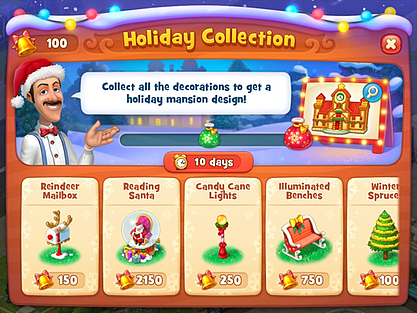
The games that stay commercially relevant after launch usually give players a fresh reason to return every few weeks.
That is where live ops becomes a marketing system, not just a content roadmap.
A new season, surprise collaboration, limited-time mode, or balance shift instantly creates fresh reasons for creators, communities, and storefronts to talk about your game again.
The commercial value comes from rhythm. Every meaningful content drop revives inactive players and creates a new acquisition moment without rebuilding awareness from scratch.
In 2025, top games increased average live ops events from 73 to 89 per month, showing how strongly retention now depends on content cadence. This is exactly why games like Fortnite and Genshin keep dominating attention long after launch week.
That is how post-launch growth happens when every update is planned like a re-launch moment that extends relevance, revenue, and community conversation.
In this way, these strategies support a different growth stage, whether that is awareness, conversion, launch velocity, or long-term retention.
The real impact comes when studios execute them in the right sequence so momentum compounds instead of resetting at launch.
Also Check: 5+ Best Video Game Marketing Campaigns To Get Inspiration
Final Thoughts
Marketing a video game successfully in 2026 is no longer about one big launch push.
The games that win attention usually build momentum before release, convert trust during launch, and keep reactivating players after day one.
That is exactly why wishlists, creator access, demos, trailers, Discord hype, launch timing, and live ops work best when connected as one system. Most studios lose growth because they treat these as isolated tactics instead of a compounding demand engine.
The real opportunity comes when every pre-launch and post-launch beat keeps increasing visibility, trust, and player return intent.
Want to promote your video game? We’re Bizzware, a top video game & advertising agency, helping you acquire players that stay and grow with your game. Contact us to get help from an expert today!