As player acquisition becomes more expensive, game studios are shifting toward influencer marketing to generate efficient installs through trust-led content discovery.
Unlike interruptive ads, gaming creators naturally showcase mechanics, emotions, and live reactions, helping viewers move from curiosity to install intent faster. This shift is accelerating as creator ad spend is projected to reach $37 billion, proving influencers now operate as scalable growth channels.
For video game brands, this means stronger launch momentum, better community trust, and higher-quality players compared with traditional paid acquisition funnels.
In this guide, you will learn how to choose creators, platforms, budgets, strategies, and KPIs that turn influencer campaigns profitable, in short, how to do “influencer marketing for video games” in the right way!
Why Do Influencer Marketing for Video Games?
Video games are inherently watchable, which makes influencer marketing uniquely effective because creators turn gameplay into trust, excitement, and immediate install intent.
Unlike static ads, creator-led gameplay demonstrates mechanics, reactions, progression, and social proof, helping players understand actual entertainment value much faster.
This shift matters because 86% of consumers make at least one purchase yearly inspired by influencers, proving trust-led discovery outperforms interruption-heavy channels.
For game studios, this translates into measurable growth outcomes, where influencer campaigns impact acquisition, retention, and long-term community development simultaneously.
Here is how influencer marketing delivers real advantages for video game growth:
- Higher Install Intent
Gameplay content reduces uncertainty, helping players evaluate mechanics, progression loops, and experience quality before installing the game.
- Faster User Acquisition
Creators compress discovery and decision-making into one experience, reducing friction between awareness, consideration, and conversion stages.
- Stronger Retention Quality
Players acquired through influencers often align with the game’s core experience, leading to improved Day 1 and Day 7 retention metrics.
- Community-Driven Growth
Influencers bring engaged audiences that actively discuss, share, and amplify content, strengthening organic reach and long-term community building.
- Multi-Channel Impact
Creator content can be repurposed into paid ads, store creatives, and social campaigns, increasing overall marketing efficiency and ROI.
As competition increases, influencer marketing becomes a strategic growth lever that combines trust, content, and performance into one scalable acquisition channel.
How to Select the Right Influencer for Gaming Influencer Marketing?
Selecting the right gaming creator starts with one question: what exactly should this campaign improve for your game business?
If the goal is mass awareness for a global launch, larger creators make sense because reach compounds momentum quickly.
But if your priority is efficient installs, stronger retention, or niche community adoption, smaller creators usually outperform broader audiences.
This is why creator selection should begin with campaign intent, then move into creator type, audience behavior, and content compatibility.
Here is how each creator type maps to different game marketing needs:
- Mega Creators (1M+ Followers)
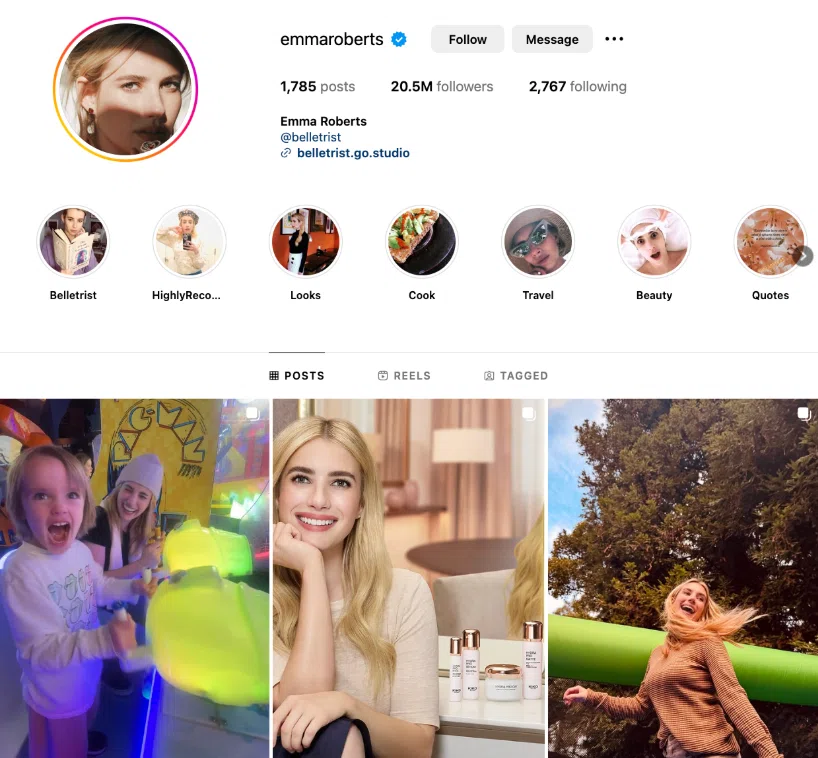
Best for franchise launches, celebrity collaborations, esports tournaments, and console releases where rapid top-funnel visibility matters most.
Think of this like launching a battle royale update or AAA multiplayer event where millions need instant awareness.
- Macro Creators (100K–1M Followers)
Ideal when you need strong reach with better gaming niche alignment, especially for genre launches, expansions, or competitive titles.
For example, an RPG-focused YouTube creator can explain progression systems, combat builds, and rare rewards better than general creators.
That deeper explanation helps viewers understand why the game is worth downloading, which improves install quality beyond pure awareness.
- Micro Creators (10K–100K Followers)
This tier works best for performance-led campaigns where installs, wishlist growth, and community trust are stronger priorities than scale.
For example, if you are promoting an indie roguelike, micro creators with highly loyal genre audiences often drive better conversion quality.
Research also shows gameplay minutes increase more through micro-streamers than mega-streamers because audience trust remains significantly stronger.
- Nano Creators (Below 10K Followers)
Nano creators are strongest for niche games, regional launches, Discord communities, giveaways, and player segments where conversations influence decisions.
A cozy farming simulator, card battler, or regional multiplayer games often benefit more from trusted nano communities than mass exposure.
Beyond creator size, selection quality depends on five practical filters that directly affect campaign outcomes:
- Genre Match: The creator should already publish content close to your game’s mechanics, art style, or player expectations.
- Audience Intent: Check whether viewers actively ask gameplay questions, strategy doubts, or install-related queries in comments.
- Platform Strength: Always judge the creator through their strongest platform instead of combining weak cross-platform followers.
- Geography and Language: Their audience should match your launch regions, monetization markets, and localization priorities.
- Natural Content Fit: The game should feel like a natural extension of their normal storytelling, reactions, or gameplay format.
The best gaming influencer campaigns are rarely built on size alone; they succeed when creator relevance matches player intent.
When the creator type aligns with business goals, genre depth, and audience trust, installs become cheaper, and retention improves sustainably.
Top Social Media Platforms for Gaming Influencer Marketing
Choosing the right platform is as important as choosing the right creator because content behavior changes how players discover games.
A Twitch streamer may create instant emotional urgency, while a YouTube creator can educate viewers through deeper gameplay storytelling.
That platform-content fit directly affects installs, wishlist intent, retention quality, and how efficiently creators move viewers toward action.
Here are the strongest social platforms for gaming influencer marketing and what each does best:
1. YouTube
Best for gameplay walkthroughs, reviews, tutorials, lore explainers, and launch trailers because discovery compounds through search and recommendations.
This matters because 81% of gamers consume game-related content on YouTube, making it the strongest platform for high-intent discovery.
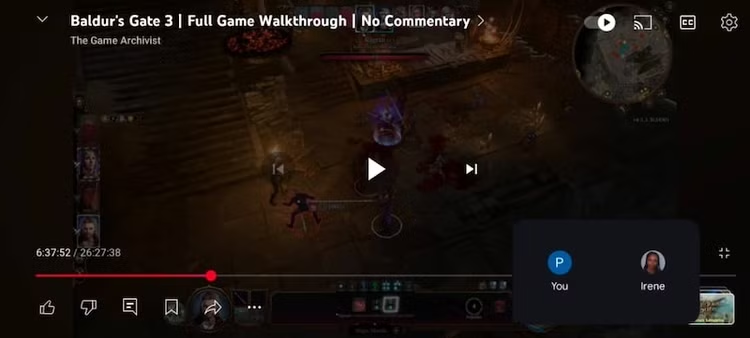
Use this when your game needs education-heavy storytelling, feature explanation, or longer decision-making before installs.
2. Twitch
Best for live reactions, launch-day streams, tournaments, patch reveals, and community Q&A where emotion directly drives conversion momentum.
Twitch works strongest for multiplayer, esports, survival, and live-service games where viewers want to watch real-time progression and reactions.
3. TikTok
Best for viral gameplay moments, short hooks, mobile games, meme loops, rage clips, and challenge-driven install campaigns.
TikTok Live crossed 8 billion watch hours in Q1 2025, proving short-form and live discovery now drive massive gaming attention.
4. Instagram Reels
Strong for teaser clips, creator reactions, character reveals, cosmetics, skins, and aesthetic-first game storytelling.
This platform works best when visual identity, fandom culture, or lifestyle-driven gaming content influences audience decisions.
5. Discord
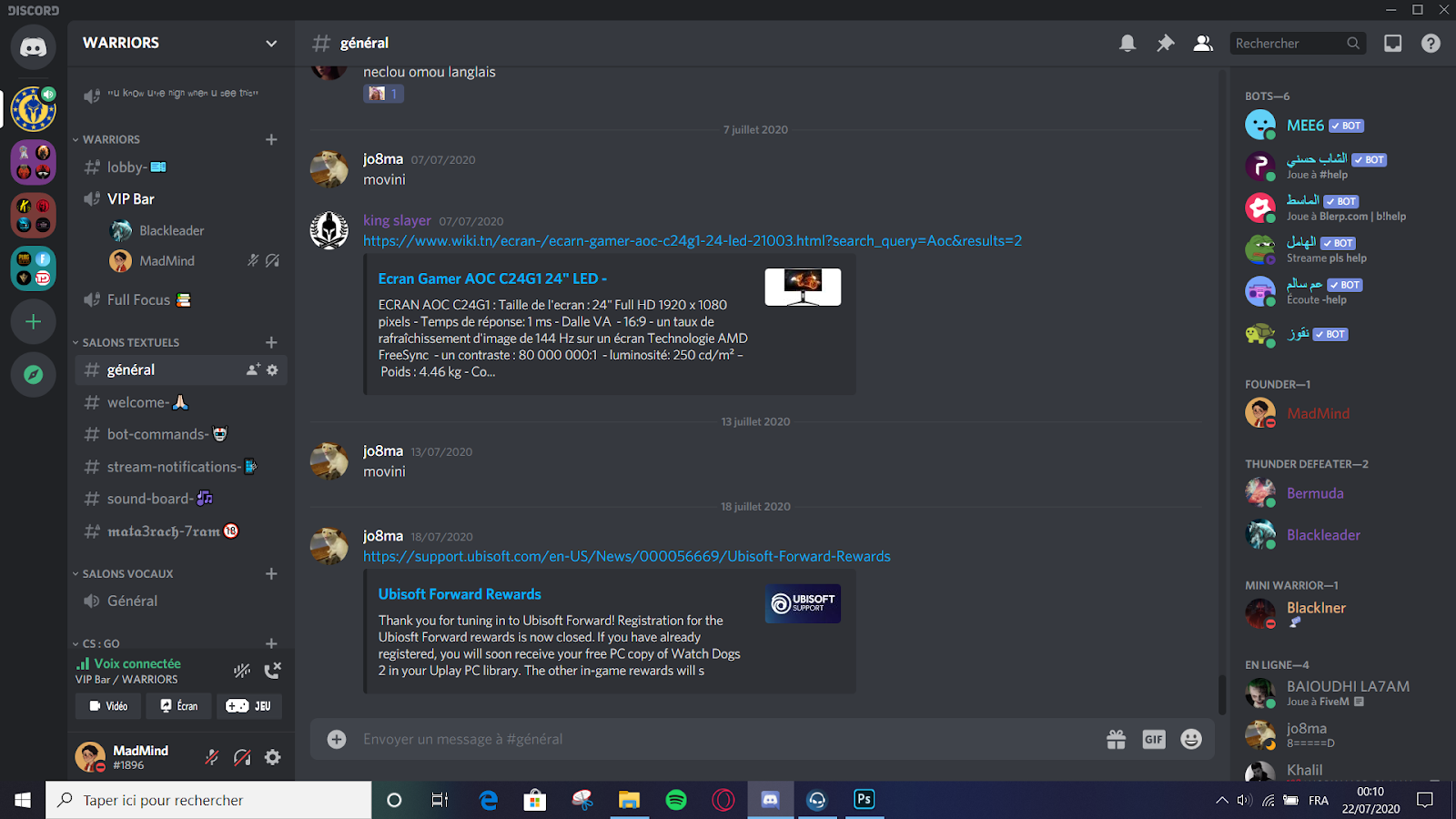
Best for community creators, early-access drops, closed betas, feedback loops, and creator-led retention campaigns after install.
Discord becomes most powerful when the goal shifts from acquisition into community stickiness, live-ops updates, and creator-owned player ecosystems.
Instead of asking which platform is biggest, ask which platform best matches how your players consume gaming content. For example, YouTube usually converts deeper for strategy-heavy RPGs, while TikTok performs stronger for casual, mobile, and reaction-led games.
The best gaming campaigns rarely depend on one platform because discovery, trust, and retention happen across different content behaviors.
Top 5 Influencer Marketing Strategies to Promote Your Video Games
The right strategy decides whether creator campaigns generate vanity engagement or measurable installs, wishlists, and long-term player communities.
Instead of one-off sponsored posts, gaming campaigns perform better when creators become part of the player journey itself.
Here are five high-performing influencer strategies that consistently work for video game launches and live-service growth:
1. Pre-Launch Teaser Campaigns
Use creators before release to reveal characters, mechanics, lore drops, and exclusive beta access that builds early anticipation.
This works especially well for RPGs, battle royales, and story-rich titles where speculation itself fuels community momentum.
2. Launch-Day Creator Blitz
Coordinate multiple creators across YouTube, Twitch, and TikTok within the same 24–48 hour window to dominate attention.
This concentrated visibility creates algorithmic lift, stronger social proof, and faster install momentum during the most critical launch phase.
3. Gameplay Challenge Campaigns
Ask creators to complete unique missions, speed runs, PvP streaks, or survival challenges that showcase replayability and skill expression.
Challenge-led content performs strongly because viewers emotionally imagine themselves attempting the same in-game experience after watching.
4. Creator-Led Live Events
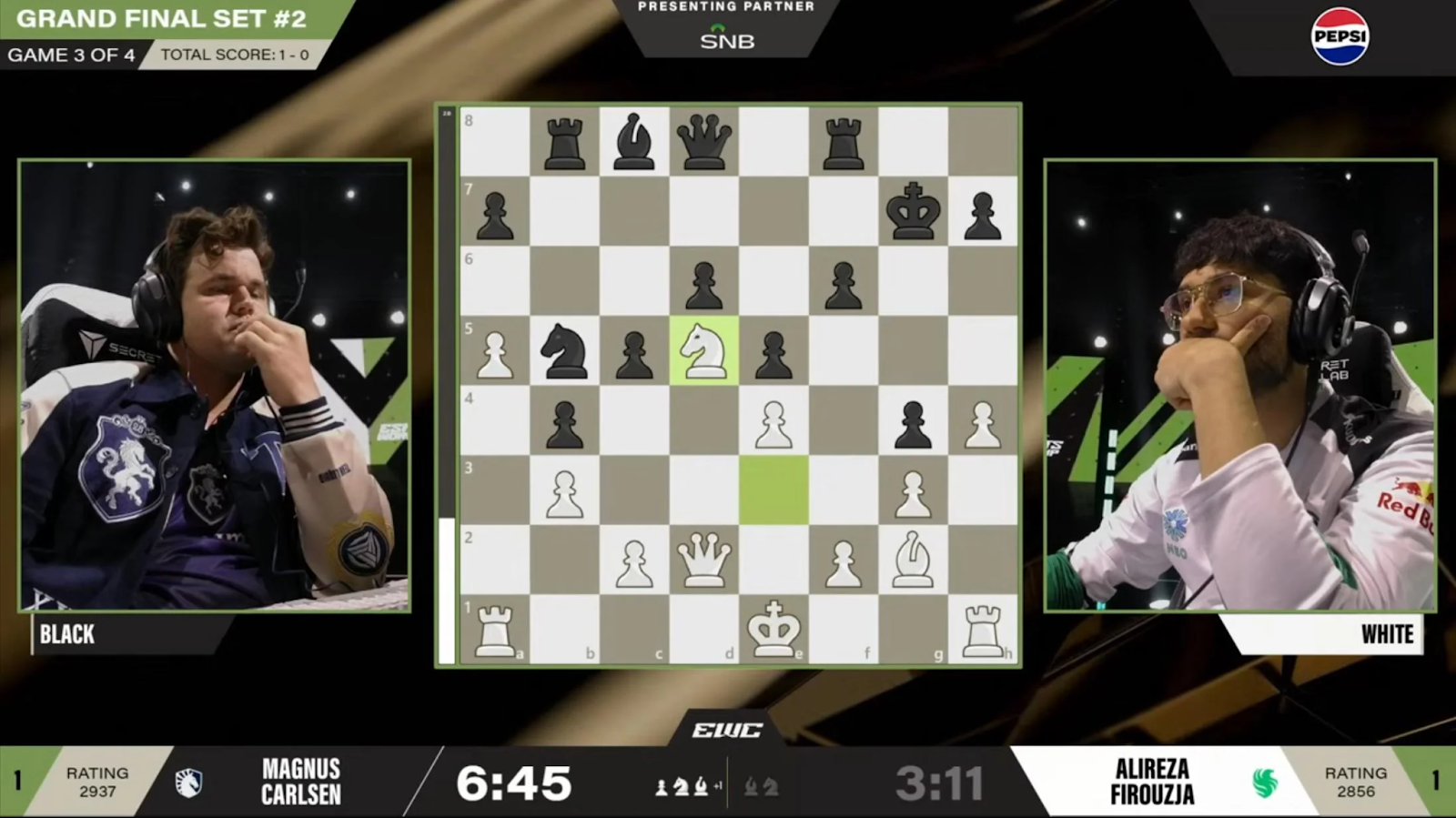
Use streamers for tournaments, patch reveals, seasonal events, or clan battles that turn updates into community moments.
This strategy is especially effective for multiplayer, esports, and live-service games where retention depends on recurring shared experiences.
5. Long-Term Ambassador Partnerships
Partner with a smaller group of aligned creators across months instead of one campaign burst to strengthen repeated trust.
This strategy improves player recall, reduces acquisition volatility, and compounds creator authority around your title over time. For example, live-service and mobile games benefit most here because creators can cover updates, passes, skins, and new events consistently.
The strongest gaming campaigns usually combine these strategies across launch phases instead of relying on one creator activation.
That phased creator strategy mirrors how players discover, evaluate, install, and stay invested in modern video game ecosystems.
How Much Does Influencer Marketing for Video Games Cost?
Influencer marketing costs for video games vary by creator tier, content depth, platform, and campaign stage across the launch lifecycle.
A short TikTok gameplay hook costs far less than a multi-hour Twitch activation or YouTube walkthrough with evergreen discovery.
This pricing difference matters because gaming content needs deeper integration, stronger storytelling, and often longer creator production timelines.
Use this practical creator-tier cost view when planning game campaigns:
| Creator Tier | Typical Campaign Cost |
| Nano (1K–10K) | $50 – $500 |
| Micro (10K–100K) | $500 – $5,000 |
| Macro (100K–1M) | $5,000 – $25,000 |
| Mega (1M+) | $25,000 – $100,000+ |
Platform choice also changes cost economics because content lifespan and conversion behavior differ significantly.
| Platform | Typical Pricing Logic |
| TikTok | Lower entry, strong virality, faster testing cycles |
| YouTube | Higher due to long-form production and search longevity |
| Twitch | Based on stream duration, CCV, and event complexity |
| Mid-range for reels, story packs, and creator bundles |
The smarter way to budget is by expected CPI, retention quality, and content reusability instead of flat creator fees.
This becomes more important as 72.2% of brands now expect influencer budgets to increase by over 50%.
High-performing gaming campaigns also recover faster because 65.9% of marketers expect creator investments to pay back within one month. On average, influencer campaigns return $5.20 to $5.78 for every $1 spent when attribution and creator fit are strong.
For game studios, the real cost question is not creator pricing alone, but how efficiently content converts into retained players.
How to Create Content With Influencers That Promotes Your Video Games the Right Way [5 Tips]
Most gaming influencer campaigns fail not because of creators, but because content feels forced, scripted, and disconnected from player behavior.
High-performing gaming content works when it feels like real gameplay discovery, not like a paid promotion trying to sell installs. This matters because UGC-style content can generate up to 10.38x higher conversions compared to polished brand advertisements.
To create content that actually converts players, focus on these five principles:
- Capture Attention Within the First 3 Seconds
The opening seconds decide whether users continue watching or scroll away, making the hook the most critical performance driver.
Strong hooks include unexpected gameplay moments, rare rewards, fails, or high-skill clips that instantly trigger curiosity.
- Show Real Gameplay, Not Scripted Scenes
Players want to see mechanics, controls, progression, and outcomes exactly as they will experience after installing the game.
Content that feels too polished often reduces trust, while raw gameplay builds authenticity and improves install intent significantly.
- Highlight the Core Gameplay Loop Early
Viewers should quickly understand what they do repeatedly in the game, including rewards, upgrades, and progression satisfaction.
If the gameplay loop is unclear, even high-quality visuals fail to convert viewers into actual players.
- Use Emotion to Drive Player Decisions
Reactions such as excitement, frustration, surprise, or competition create emotional triggers that push viewers toward trying the game.
This works because gaming decisions are rarely logical; they are driven by curiosity, challenge, and social validation.
- Design Content for Reuse Across UA Channels
High-performing creator videos should be reused in paid ads because they reduce creative fatigue and improve acquisition efficiency.
UGC-based creatives also drive lower CAC and higher retention compared to traditional ad formats when scaled properly.
Instead of controlling creators, guide them with intent while allowing natural storytelling that aligns with their audience’s expectations.
The best gaming content does not feel like marketing; it feels like a player sharing something worth experiencing immediately.
Important Influencer Marketing KPIs for Your Video Games: What Makes an Influencer Campaign Successful?
A gaming influencer campaign is only successful when it drives measurable player growth, not just temporary reach spikes. That is why KPIs should follow the player journey from discovery to install, retention, and monetization outcomes.
In 2026, 89% of marketers say influencer ROI performs equal to or better than other acquisition channels.
To measure real campaign success for video games, focus on these performance KPIs:
1. Cost Per Install (CPI)
This shows how efficiently each creator converts content views into actual game installs and acquisition scale.
Lower CPI matters only when install quality also supports Day 1 and Day 7 retention performance.
2. Click-to-Install Conversion Rate
Track how many users who click creator links actually complete the install journey. This KPI helps identify whether the issue is creator traffic quality or store-page conversion friction.
3. Day 1 and Day 7 Retention
For games, retention is the clearest proof that creators attracted the right audience, not accidental installs.
A creator delivering fewer installs with higher retention usually outperforms higher-volume, low-quality traffic sources.
4. Watch Time and Completion Rate
This shows whether gameplay content is strong enough to hold attention through the progression loop reveal.
High completion rates usually signal stronger install intent because viewers stayed long enough to understand why the game feels rewarding.
5. Engagement Quality
Focus on saves, shares, gameplay questions, and challenge responses instead of vanity likes.
High-intent comments like “Is this available on Android?” often predict a stronger conversion probability than surface engagement.
6. Return on Creator Spend (ROCS)
Measure how much retained revenue, purchases, or LTV each creator generates against total campaign spend.
Average influencer ROI remains $5.78 for every $1 spent, making revenue-linked KPIs essential for scale decisions.
The most successful gaming campaigns combine acquisition KPIs with retention and monetization KPIs, not awareness alone.
When creators drive cheap installs, strong retention, and positive LTV, that is when campaigns become truly scalable.
You May Also Check: 13 Top Mobile Game KPIs That Decide Your Game’s Worth
Final Thoughts
Influencer marketing for video games now sits at the intersection of discovery, trust, and scalable player acquisition economics. From creator selection and platform fit to content execution, costs, and KPIs, every decision directly shapes campaign profitability.
The gaming studios winning today are not simply buying creator reach; they are engineering creator-led player journeys.
When the right creators tell the right gameplay story on the right platform, installs become cheaper and retention compounds stronger.
More importantly, creator content now extends beyond awareness into reusable acquisition assets, community growth, and long-term live-service momentum.
That makes influencer marketing one of the most effective growth channels for modern video game studios competing in crowded markets.
Need help in running successful influencer marketing campaigns for your games? We’re Bizzware, #1 Game Marketing Agency that helps you drive installs, creator-led engagement, stronger retention, and scalable game growth. Contact us today!