
Most games lose nearly 70–80% of players within the first 24 hours, making retention the biggest challenge in gaming growth.
Acquiring users is easy with budgets, but keeping them engaged, returning, and spending defines real success in gaming today. Top-performing games don’t rely on downloads alone. They build systems that continuously bring players back, increasing engagement, retention, and lifetime value.
Without strong retention, even high-budget user acquisition campaigns fail to deliver sustainable growth or meaningful long-term revenue outcomes.
This is why understanding proven game retention strategies becomes critical for developers and marketers aiming to scale consistently.
In this blog, we’ll break down strategies used by the most popular games and how you can apply them effectively.
Why Game Retention Matters More Than Downloads?
User acquisition for mobile games fail because poor retention turns expensive installs into short-lived traffic with little revenue impact. Only 27% of gaming users return on day one, proving why retention decides whether growth compounds or collapses quickly.
Retention directly increases lifetime value by extending purchases, ad impressions, social interactions, and repeat gameplay sessions over longer periods.
Top games prioritize retention because even small D1 and D7 improvements dramatically improve profitability, ROAS efficiency, and scaling confidence.
What strong retention unlocks for game businesses:
- Higher LTV without increasing acquisition costs.
- Better monetization through sustained engagement.
- Stronger organic growth through referrals, communities, and multiplayer loops.
- Reduced dependency on paid acquisition channels.
Retention also reveals product-market fit, showing whether your game consistently delivers value worth returning for.
Games built around retention systems outperform competitors because they create durable habits instead of one-time entertainment experiences.
Also Read: Mobile Game Marketing: 11+ Strategies Winning Games Are Using
Top 10 Game Retention Strategies Used by the Most Popular Games
The most successful games don’t rely on one tactic. They layer multiple retention systems that reinforce players to build habits, play in live progression, and are based on return behavior.
From Supercell games to Fortnite, retention grows when players experience instant value, clear goals, and reasons to return tomorrow.
Below are the most effective game retention strategies consistently used by top-performing games to improve D1, D7, and long-term retention.
1. Seamless Onboarding That Reduces Early Drop-Off
The first five minutes decide whether players stay. Top games deliver core gameplay value before introducing complexity or friction. Games like Clash Royale teach through action, not text, helping players win early and emotionally commit faster.
The strongest onboarding flows prioritize first reward moments within five minutes, significantly improving Day-1 return probability.
What makes onboarding retention-friendly:
- Interactive tutorials that teach through gameplay.
- Early wins, rewards, and emotional payoff.
- Progressive features unlock instead of overwhelming interfaces.
- Fast access without forced sign-up friction.
2. Daily Rewards & Login Incentives That Build Habits
Daily rewards remain one of the highest-impact retention systems because they create a predictable reason for players to return.
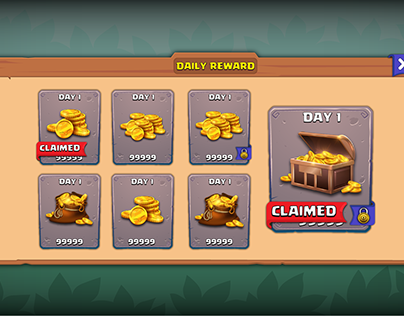
The strongest games combine streak mechanics, escalating rewards, and daily missions to convert short visits into habitual gameplay loops.
For example, Clash of Clans uses streak-based daily events and task rewards that encourage players to return without feeling forced.
When tomorrow’s reward becomes more valuable, skipping a day feels costly, which strengthens routine formation and return frequency. This strategy works especially well in mid-core and live-service games where daily progression directly supports longer upgrade cycles.
A high-performing daily reward system usually includes:
- Escalating streak rewards that improve perceived value over consecutive days.
- Daily quests are attached to login rewards for longer session depth.
- Streak protection mechanics that reduce frustration after missed days.
- Limited-time bonuses that amplify urgency and habit formation.
This is why top games use daily rewards as a habit engine, not just a generosity mechanic.
3. Live Ops & Regular Content Updates That Keep Players Engaged
Games that don’t evolve lose players quickly because static experiences create boredom once core gameplay loops become predictable.
84% of mobile game revenue comes from games actively using live operations, proving that continuous updates directly impact engagement and retention.
Top games like Fortnite and Genshin Impact release frequent events, new content, and balance updates to maintain player curiosity consistently. Instead of one-time launches, successful games operate as live services where new content continuously refreshes player motivation and session frequency.
How live ops improves retention in practice:
- Regular events create urgency and bring players back consistently.
- New content prevents mid-game boredom and content exhaustion.
- Balance updates improve fairness and player satisfaction.
- Personalized events increase relevance for different player segments.
Live ops works because it transforms games into evolving ecosystems rather than static products that players eventually abandon after completion.
4. Progression Systems That Encourage Long-Term Play
Strong progression systems keep players invested because every session moves them closer to visible rewards, status, or meaningful power growth.
Games like Fortnite and Brawl Stars use XP tracks, unlock tiers, and battle passes to convert playtime into motivation.
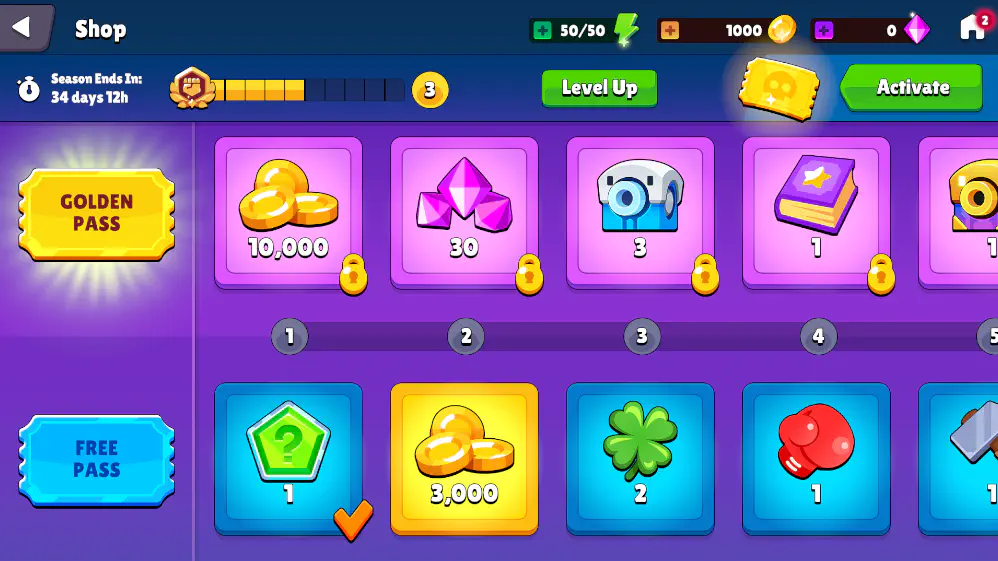
66% of top-performing mobile games now use battle passes, showing progression systems directly strengthen retention and repeat sessions.
A retention-focused progression system usually combines:
- Short-term XP milestones that reward every session.
- Mid-term unlock tracks like skins, ranks, or heroes.
- Long-term seasonal goals tied to battle passes.
- Status-based rewards players can showcase socially.
This layered structure turns ordinary gameplay into forward momentum, making retention feel like achievement instead of repetitive grinding.
5. Social & Multiplayer Features That Increase Stickiness
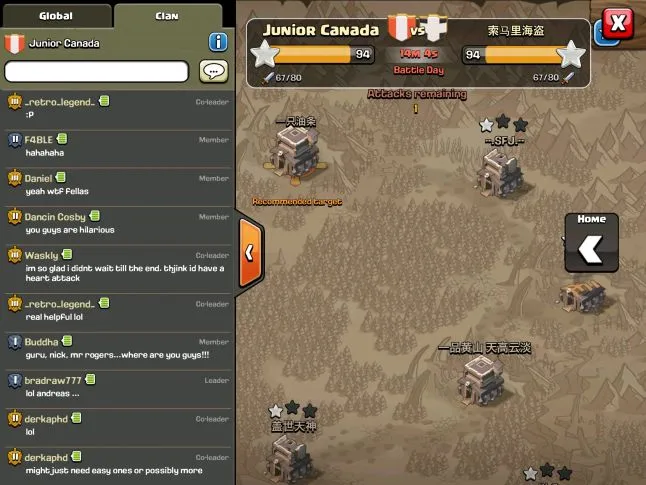
Games become harder to abandon when progress, rewards, and memorable moments are tied to friends, clans, and shared competition.
Nearly two-thirds of top mobile games now include at least one social feature, making community-driven retention a category standard. Games like Call of Duty Mobile and Clash of Clans retain players longer through clans, co-op goals, and competitive rankings.
Players with active friend groups show 40–50% higher 90-day retention because social accountability strengthens long-term return behavior.
Why social systems retain players longer:
- Friends create natural return triggers through invites, team goals, and scheduled sessions.
- Guild rewards add collective accountability and emotional commitment.
- Leaderboards strengthen status motivation and repeat play loops.
- Co-op events transform solo progress into shared achievements.
This is why top games evolve from gameplay products into social ecosystems, players hesitate to leave.
Also Check: How to Leverage Social Media Marketing for Games? [7+ Effective Tactics]
6. Personalization & Adaptive Gameplay Experiences
Players stay longer when the game feels tailored to their skill, pace, and preferences instead of forcing static one-size-fits-all progression.
Adaptive difficulty systems can improve retention by up to 25% by keeping players consistently inside the challenge-reward sweet spot.
Games like Resident Evil 4 dynamically adjust enemy aggression, drops, and pacing based on player performance and failure patterns. This prevents frustration for struggling players while protecting mastery and momentum for advanced users across longer gameplay sessions.
How personalization strengthens retention:
- Difficulty adjusts based on performance, deaths, and completion speed.
- Rewards and missions align with player behavior patterns.
- Content pacing changes according to fatigue or mastery signals.
- Recommendations surface modes, events, or offers relevant to playstyle.
This strategy works because players experience progress without boredom, friction, or skill mismatches that usually trigger early churn.
7. Smart Push Notifications & Re-Engagement Campaigns
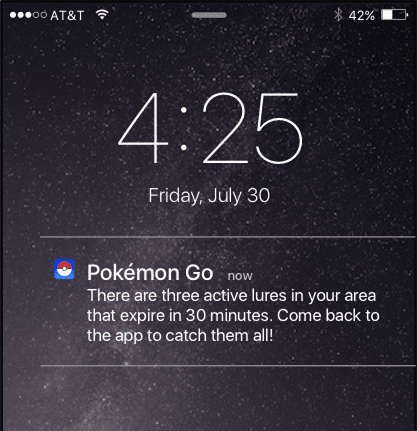
Most players don’t leave permanently; they simply disengage temporarily, making re-engagement strategies critical for recovering lost users efficiently.
Games that use push notifications effectively achieve up to 3x higher retention compared to games that avoid structured messaging strategies.
For example, Candy Crush re-engages inactive players with reminders, lives refills, and event notifications that feel timely and valuable.
The key is not frequency but relevance, where messages align with player progress, missed rewards, or ongoing limited-time opportunities.
What makes push notifications retention-focused:
- Messages triggered by inactivity windows instead of random timing.
- Rewards or incentives tied to player progression levels.
- Event-based reminders linked to ongoing gameplay loops.
- Personalized messaging based on behavior, not generic campaigns.
When executed correctly, push notifications act as a recovery engine that brings players back before churn becomes permanent.
8. Fair Monetization That Supports, Not Hurts Retention
Poor monetization breaks retention when spending feels mandatory, unfair, or directly tied to competitive advantage and progression speed. The highest-retention games monetize through cosmetics, battle passes, and optional convenience instead of frustrating pay-to-win pressure.
Fortnite is the clearest example, where skins and seasonal battle passes drive spending without affecting competitive balance or fairness.
Battle-pass and cosmetic-first systems became mainstream because players see transparent value, progression, and status without gameplay disruption.
A retention-safe monetization model usually combines:
- Cosmetic purchases that enhance identity.
- Battle passes are tied to seasonal progression and daily goals.
- Rewarded ads at natural gameplay breaks.
- Optional convenience bundles without competitive imbalance.
This approach protects player trust, which is the real foundation of long-term spending and repeat engagement.
9. Time-Limited Events & Challenges That Create Urgency
The real retention power of limited-time events comes from compressed decision windows, not just exclusive rewards.
Popular games use urgency because delayed intent usually turns into churn, while deadlines convert passive interest into immediate return sessions.
Fortnite’s Star Wars and Marvel collaborations are strong examples where event-exclusive quests rapidly reactivated dormant player cohorts.
How urgency loops work in retention systems:
| Element | Retention Impact |
| Countdown timers | Accelerates return decisions. |
| Exclusive cosmetics | Triggers status-based participation. |
| Short mission windows | Reduces procrastination. |
| Event XP boosts | Increases repeat sessions. |
A 2024 event-analysis study found that limited-time events significantly increased active participation, session duration, and spending behavior.
This strategy succeeds because players don’t just return for rewards; they return to avoid losing access, relevance, and social momentum.
10. Community Building Beyond the Game
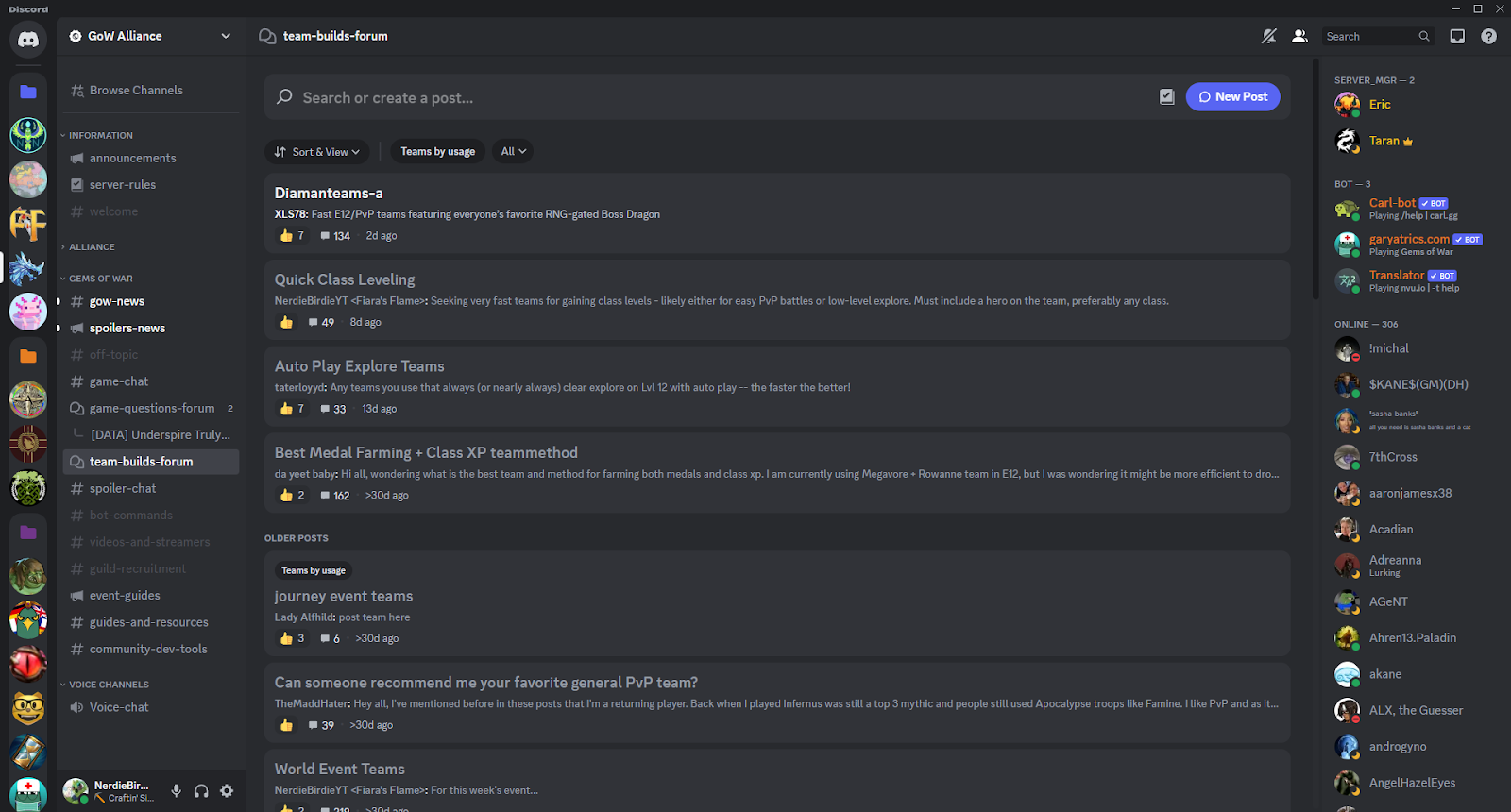
Retention strengthens when engagement continues outside gameplay, turning games into social ecosystems instead of isolated entertainment experiences.
Players using Discord voice features played 66% more days, showing how external communities directly increase long-term retention behavior. Games like Valorant and Genshin Impact build Discord and creator ecosystems that keep players connected even without active gameplay sessions.
Instead of relying only on in-game loops, community systems extend engagement into conversations, content sharing, and social identity building.
How community ecosystems drive retention differently:
- Conversations keep players mentally connected between sessions.
- User-generated content extends game relevance beyond gameplay.
- Creator ecosystems amplify organic reach and player identity.
- Direct developer interaction builds trust and long-term loyalty.
Community-first games don’t just retain players; they retain attention, which is the real driver of repeat engagement and monetization.
Key Metrics to Measure and Improve Game Retention
Retention improves faster when teams measure player behavior with formulas, cohort benchmarks, and supporting engagement metrics instead of assumptions.
The core retention formula used by top game teams is:
| Day N Retention Rate = (Active Users on Day N / Installs on Day 0) × 100 |
For example, if 1,000 players install today and 150 return on Day 7, retention becomes 15%.
Core metrics every game team should track:
| Metric | Why It Matters |
| D1, D7, D30 Retention | Measures onboarding, habit strength, and long-term depth. |
| DAU & MAU | Shows the daily and monthly active audience scale. |
| Stickiness (DAU/MAU) | Reveals how frequently monthly users return. |
| Churn Rate | Identifies how quickly players stop returning. |
| Average Session Length | Measures gameplay depth and content pull. |
| Sessions Per Day | Tracks habit frequency and repeat loops. |
| Time Between Sessions | Shows return urgency and content pull. |
| LTV | Connects retention with long-term revenue value. |
| Cohort Analysis | Finds exact churn drop-offs by user segment. |
The real value comes from reading these metrics together, because isolated numbers rarely explain why churn actually happens.
Teams using Firebase, GameAnalytics, and GA4 cohort dashboards identify churn spikes faster and connect them to product decisions.
Also Check: 13 Top Mobile Game KPIs That Decide Your Game’s Worth
Final Thoughts
Top-performing games don’t grow through installs alone. They scale by building retention systems that players naturally return over time.
The biggest wins come when onboarding, progression, live ops, social loops, and monetization work together instead of operating independently. Even a 5% retention improvement can lift profits by 25–95%, making small optimizations commercially powerful for gaming businesses.
The smartest teams continuously track D1, D7, D30, churn, DAU/MAU, and cohort drop-offs to uncover precise retention leaks.
Retention is never a one-time fix. It compounds through weekly testing, player feedback, and systems that strengthen habits over time.
Need help building a retention-first growth system for your game? We’re Bizzware, a top game marketing agency that helps studios improve player retention, increase lifetime value, and scale sustainable growth through data-backed LiveOps, community, and lifecycle marketing strategies. Contact us today!