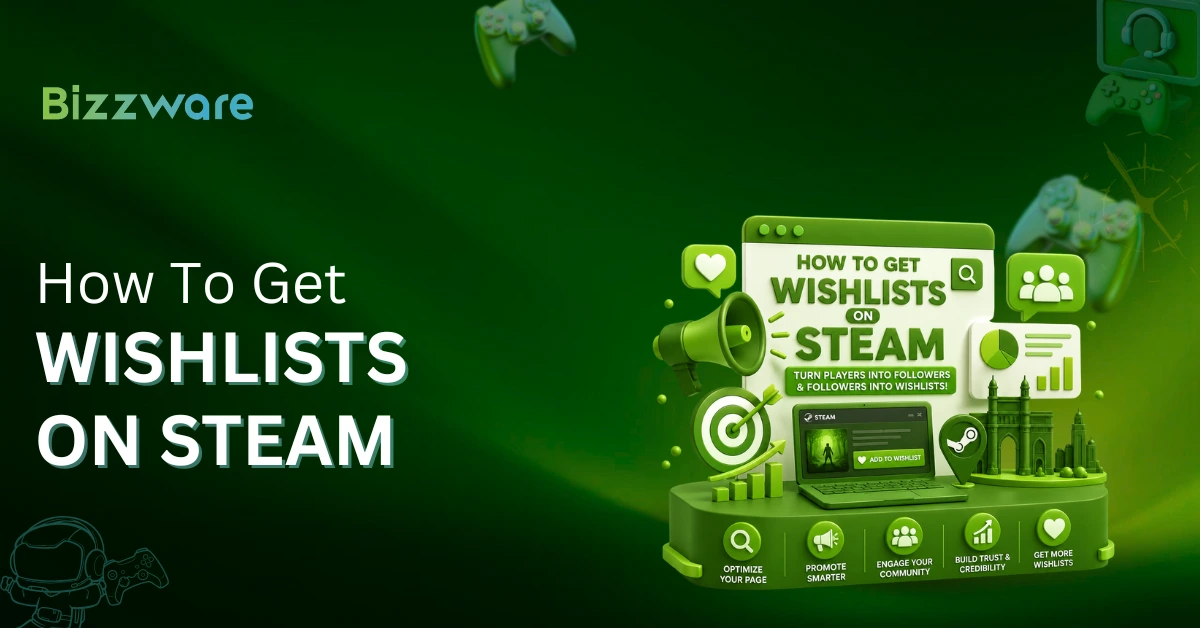
Steam does not reward games simply for launching. It rewards games that already built attention before release day arrives.
That is exactly why learning how to get wishlists on Steam matters for every game publisher planning a serious launch. More wishlists usually mean stronger day-one traffic, better player momentum, and higher conversion potential once the game goes live.
But wishlists are not earned through luck. Players only wishlist games that instantly look interesting, polished, and worth tracking.
A strong Steam page, smart promotion, creator exposure, demos, and community-driven marketing all directly influence wishlist growth before launch.
In this guide, we’ll break down expert strategies game publishers use to increase Steam wishlists into real growth before launch.
Why Steam Wishlists Matter Before Launch?
Steam wishlists are one of the strongest early indicators showing whether players are genuinely interested in buying your game later.
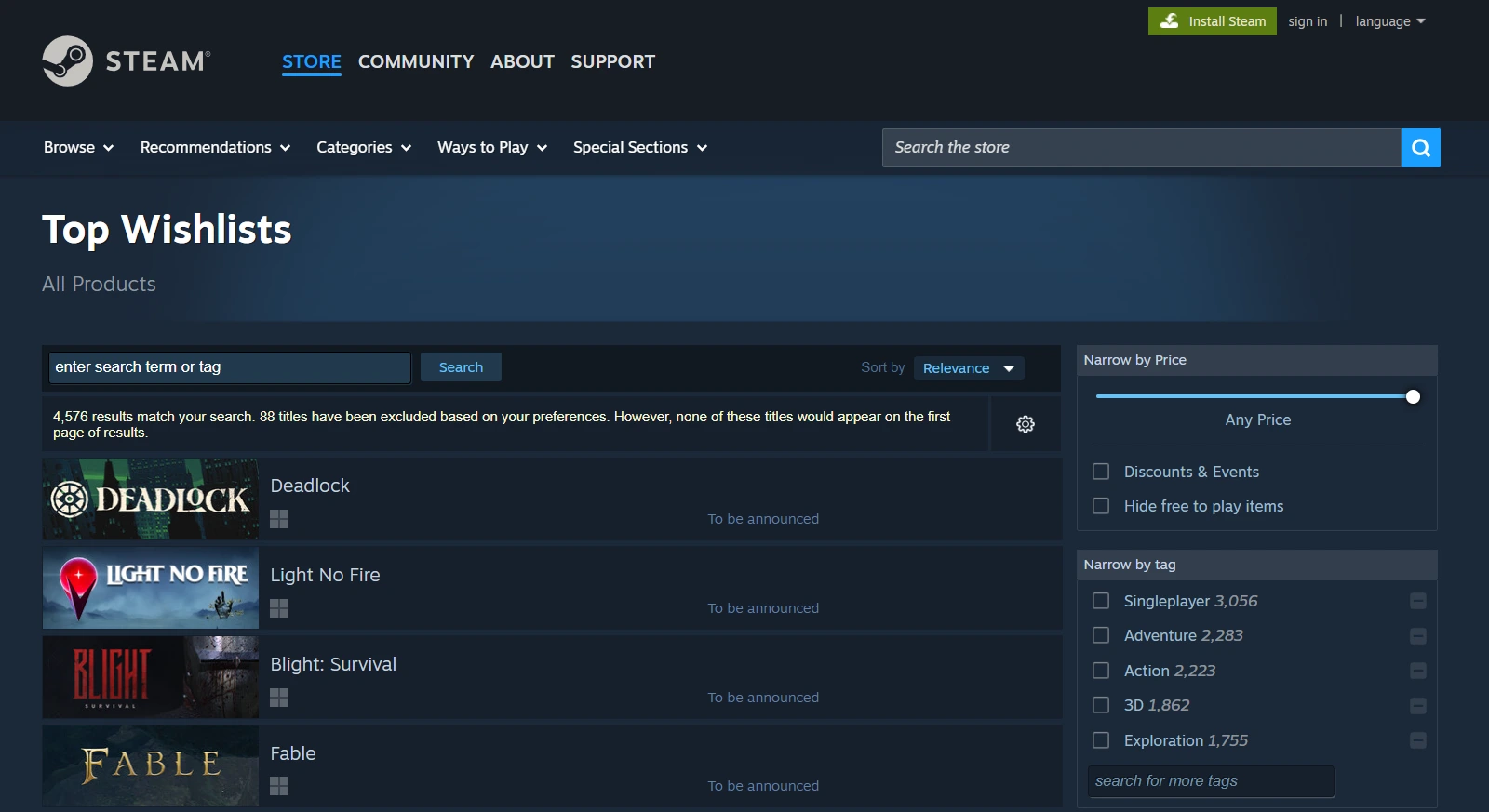
When someone wishlists your game, Steam can notify them during launch, updates, and qualifying discounts, bringing targeted traffic automatically. That matters because launch week heavily influences visibility. Games generating stronger early activity usually gain better organic discovery opportunities across Steam.
Wishlist growth also helps publishers measure marketing performance before release. Rising wishlist numbers often signal that trailers, demos, or promotions are working.
Here’s why most publishers focus aggressively on wishlist growth before launch:
- Better launch-day traffic from interested players.
- Higher conversion potential during release week.
- Stronger data for measuring campaign performance.
- Increased investor and publisher confidence.
- More valuable audience building before launch.
Steam itself confirms that wishlists help notify interested players once a game launches or goes on sale.
How to Get More Wishlists on Steam (9 Expert Strategies for Game Publishers)
Growing Steam wishlists requires more than publishing a game on Steam. The strategies below focus on visibility, conversion, player interest, and pre-launch momentum that actually influence wishlist growth before release.
1. Build a High-Converting Steam Store Page
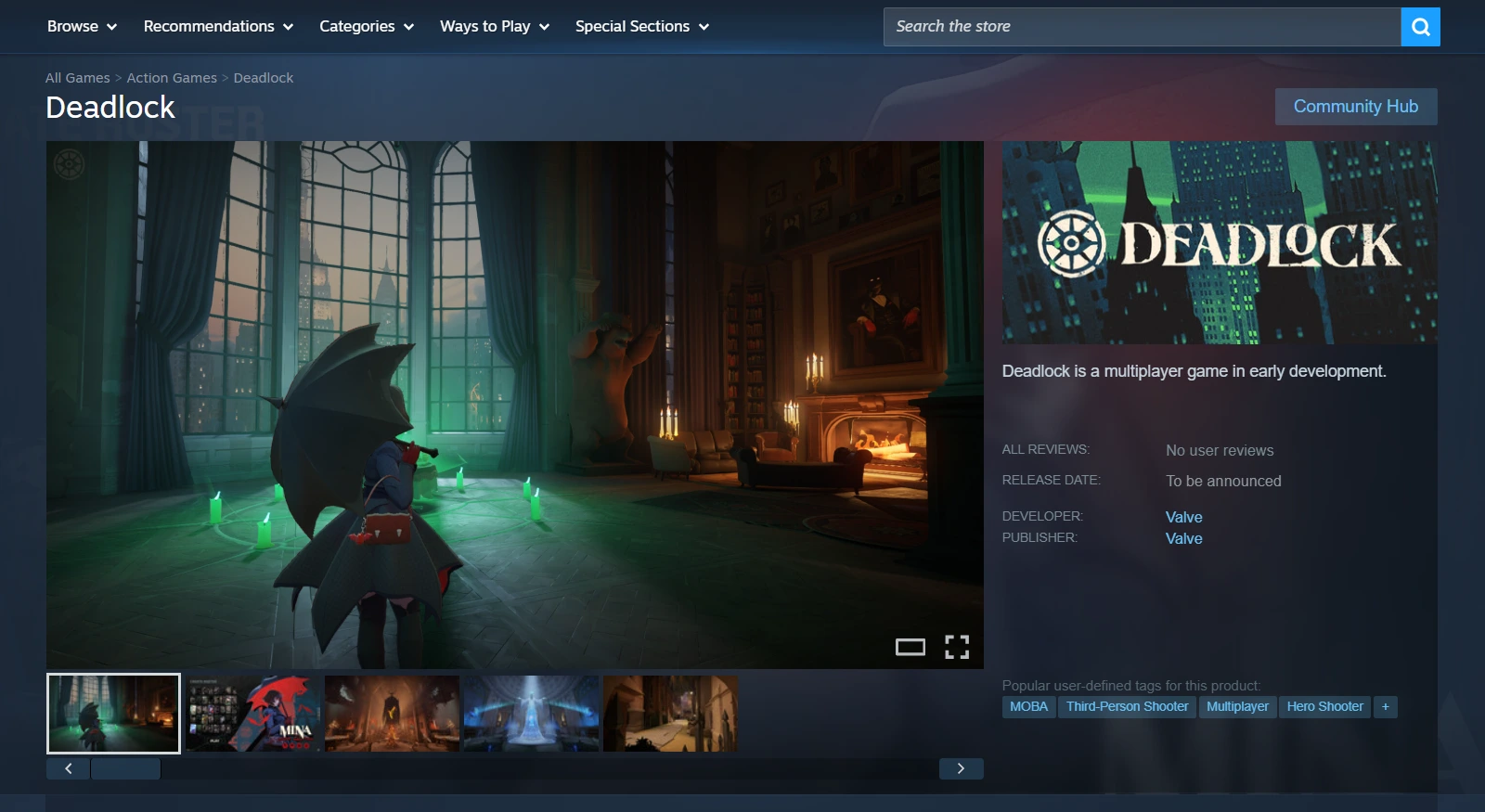
Your Steam store page determines whether visitors add the game to their wishlist immediately or leave without remembering it later.
Most players judge the game within seconds. Having a weak capsule art, confusing screenshots, or slow trailers instantly reduces wishlist potential.
However, a high-converting Steam page communicates three key things quickly: gameplay style, visual quality, and the core player experience being offered.
That is why successful publishers focus heavily on Steam store page optimization months before launch. Steam itself recommends using clear branding, readable screenshots, and gameplay-focused trailers that accurately represent the actual experience.
The highest-performing Steam pages usually share these conversion-focused elements:
- Strong capsule art that remains recognizable even at smaller Steam visibility placements.
- Gameplay screenshots showing action instead of menus, dialogue, or cinematic-only scenes.
- Short descriptions explaining the gameplay loop without vague storytelling language.
- Trailers reaching gameplay quickly instead of wasting opening seconds on logos or long intros.
- Clear tags helping Steam categorize the game for the right player audience.
Even great games lose wishlists when store pages create confusion. Clarity converts attention faster than overcomplicated presentation ever will.
2. Create a Hook-Driven Game Trailer
Most Steam trailers fail before gameplay even appears. Players leave quickly when openings feel slow, cinematic-heavy, or unnecessarily confusing.
Your first 10-seconds should instantly explain the game’s core action, atmosphere, and player objective without relying on long introductions. Steam recommends showing actual gameplay early because players primarily use trailers to understand how the game genuinely plays.
A high-performing trailer usually answers these questions immediately:
- What type of game is this?
- What makes it different from competitors?
- Why should someone wishlist it today instead of ignoring it?
Fast pacing matters, but clarity matters more. Many publishers overload trailers with effects while hiding the actual gameplay experience underneath.
Strong Steam trailers commonly include:
- Immediate gameplay footage within opening seconds.
- Readable UI elements instead of heavily edited cinematic-only sequences.
- Short text overlays explaining mechanics or player goals.
- Boss fights, progression systems, or unique gameplay moments.
- A visible Steam wishlist call-to-action near the ending.
One strong trailer can dramatically improve store-page conversion because players understand the game faster and feel more confident following development. Read more here at Steam trailers best practices.
3. Use Strong Capsule Art That Grabs Attention
Capsule art is the main visual thumbnail of your game on Steam that appears across search, recommendations, and browsing pages.
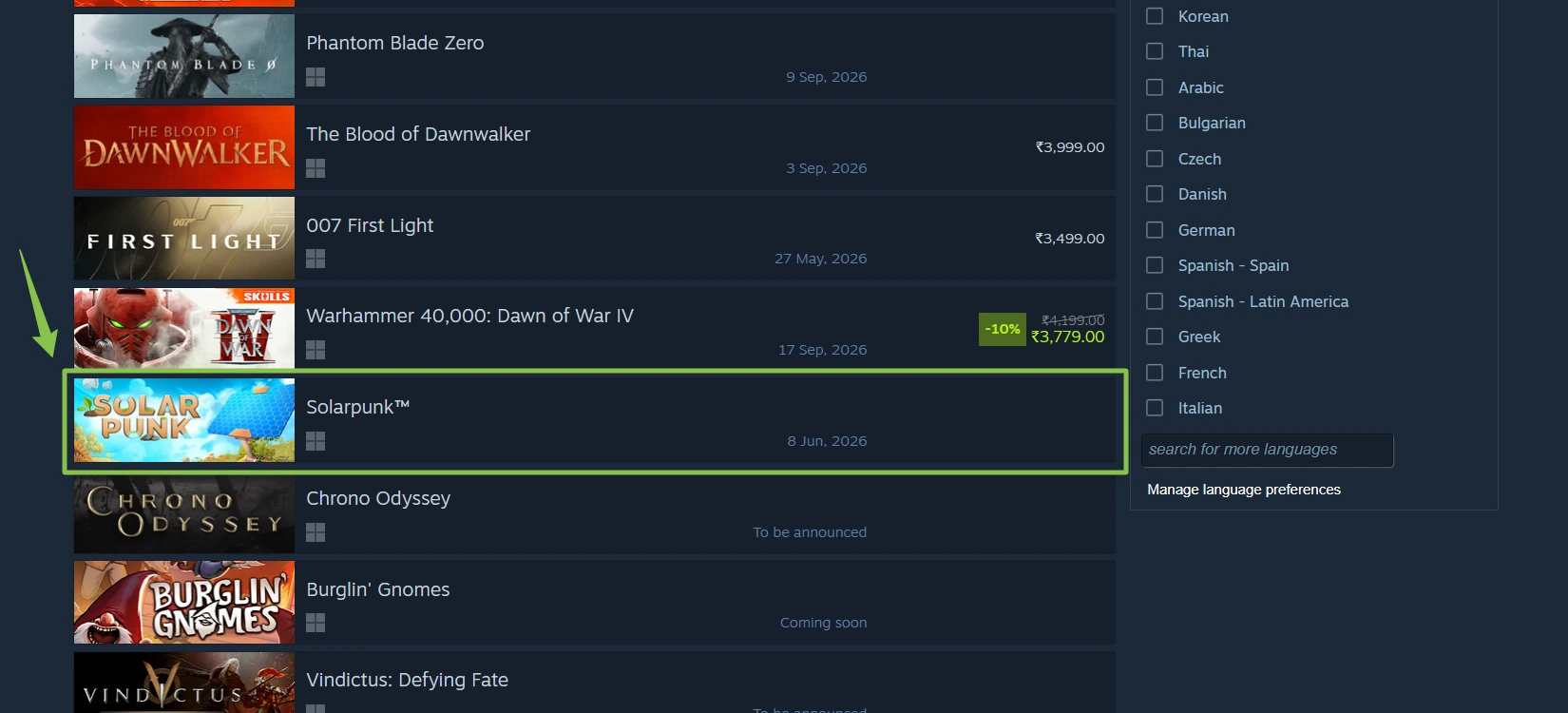
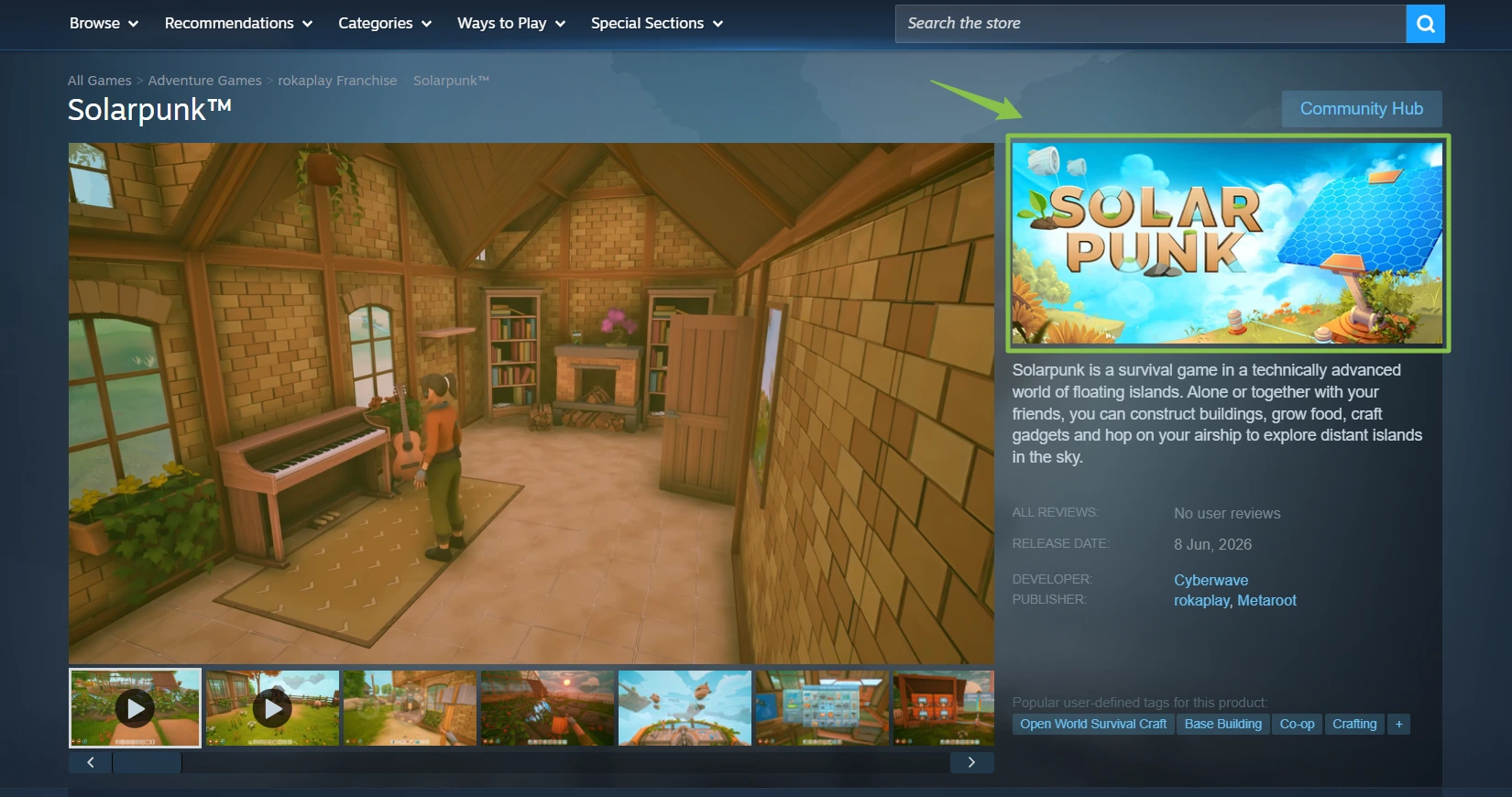
According to Steam, capsule visuals are one of the first elements users interact with during discovery, directly impacting click-through behavior across store surfaces.
Good capsule art follows simple but strict rules:
- Make it readable at small size, because most impressions happen in thumbnail form.
- Focus on one clear subject instead of cluttered composition.
- Use strong contrast so it stands out against other games.
- Avoid heavy text or unreadable fonts that reduce clarity instantly.
- Match the visual tone with actual gameplay so expectations stay accurate.
Most players decide in a few seconds whether to click or ignore a game based only on this visual.
Therefore, using strong capsule art improves discovery clicks, which later increases store visits and wishlist conversions.
4. Optimize Tags, Tags Placement, and Game Positioning
Steam tags define how your game is categorized and shown to players inside search, discovery, and recommendation systems.
Tags decide whether your game appears in front of the right audience or gets lost inside irrelevant traffic segments.
On Steam, each game can use up to 15 tags, and these directly influence how the algorithm understands your game’s identity.
Best practices for Steam tags and positioning:
- Use primary genre tags first to define core gameplay identity clearly.
- Add secondary tags that describe mechanics, not vague themes.
- Avoid over-tagging with unrelated or misleading categories.
- Match tags with store page visuals and trailer messaging for consistency.
- Prioritize high-intent tags that match your target audience behavior.
Game positioning also depends on how clearly you communicate “what the game is” within Steam’s categorization system.
When tags, visuals, and descriptions all align, Steam is more likely to surface your game to relevant players.
5. Launch a Playable Demo to Drive Early Interest
A Steam demo is a playable version of your game that lets players experience core mechanics before release.
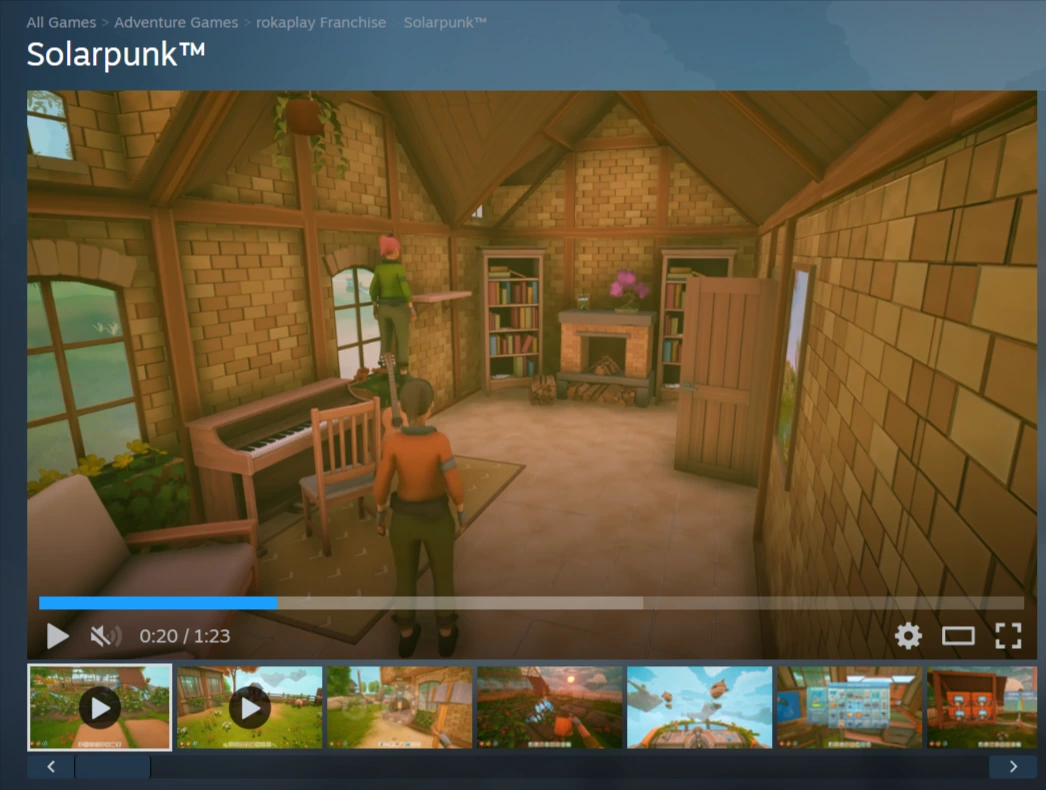
Steam actively pushes demos during events like Next Fest, where players are already searching for upcoming games worth following.
Demos reduce hesitation. Most players do not wishlist games they do not understand, and demo access removes that uncertainty quickly.
A strong demo should not feel like a teaser. It should feel like a small but complete slice of your actual game experience.
Key practices for game demos:
- Let players understand the core gameplay loop within the first few minutes.
- Do not lock essential mechanics behind later progression stages.
- Keep performance stable because early technical issues kill wishlist intent fast.
- End the demo with a simple Steam wishlist prompt or clear store page direction.
- Make sure the demo reflects final gameplay direction, not an experimental version.
When players enjoy a demo, wishlist action becomes a natural next step instead of a forced decision.
This is one of the fastest ways to turn early curiosity into consistent Steam wishlist growth.
6. Leverage Steam Next Fest and Platform Events
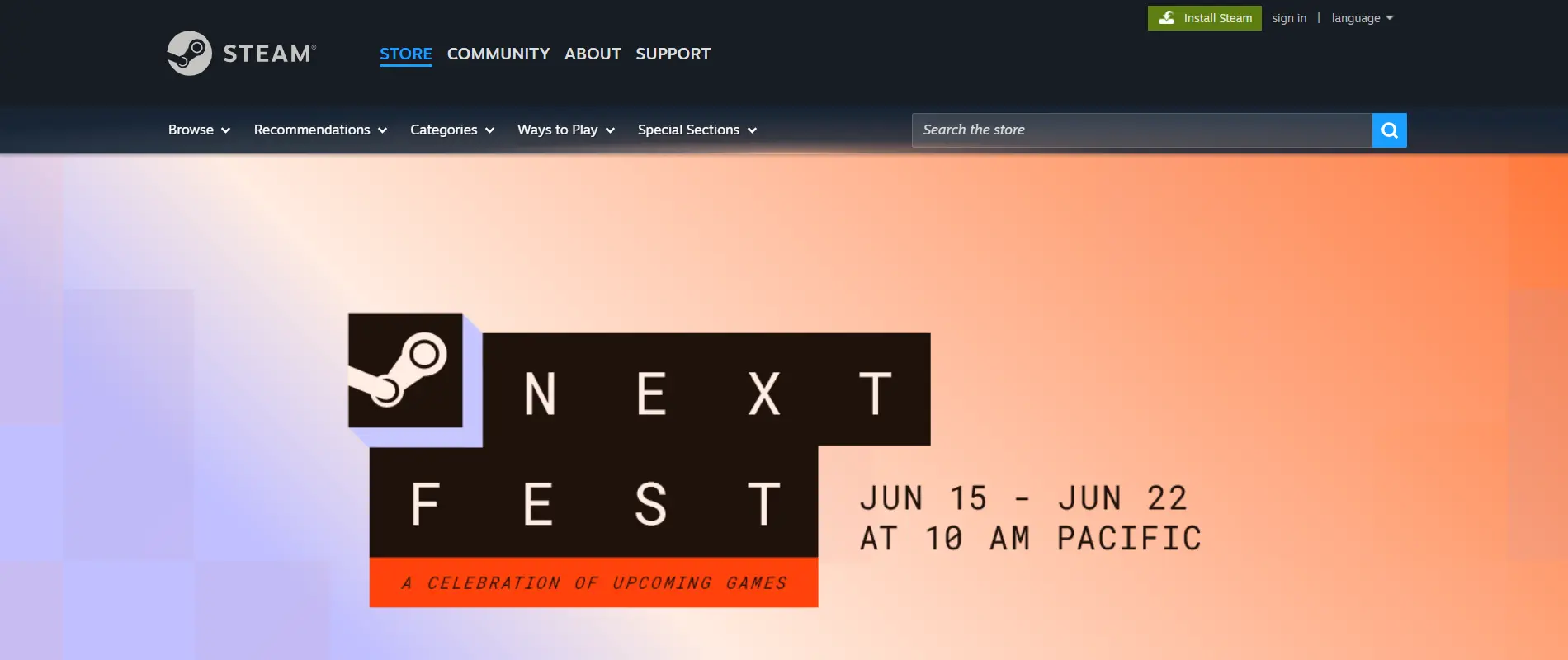
Steam Next Fest is a Steam-run event where upcoming games get visibility through demos, livestreams, and dedicated event placement.
Steam features participating games in a structured event hub, which directly pushes demo-based discovery to active players browsing upcoming releases.
In most cases, this becomes one of the highest wishlist-driving moments before launch because players are already in “try new games” mode.
How to use Steam Next Fest and similar events:
- Publish a stable demo early so you can fix issues before submission deadlines.
- Treat your Steam page like a conversion asset, not a static listing.
- Drive external traffic from Discord, Reddit, and creators into your event participation.
- Use livestreams to show real gameplay moments instead of scripted promotion.
- Focus every touchpoint on one action: wishlist after trying the game.
These events work because they compress exposure and decision-making into a short window where attention is already high. For most games, this becomes the fastest way to turn visibility into wishlist growth.
7. Promote Your Game Across Social Media Platforms
Social media is the main driver that pushes external attention into Steam store pages and directly increases wishlist flow. Platforms like TikTok, YouTube Shorts, X, Reddit, and Discord help game publishers reach players before they ever open Steam.
Unlike Steam traffic, social platforms allow you to control storytelling, build curiosity, and push repeated exposure over time.
For most games, wishlists do not come from a single post. They come from repeated visibility across multiple content touchpoints.
Key ways to use social media for Steam wishlist growth:
- Post short gameplay clips showing core mechanics instead of cinematic edits.
- Share development progress that highlights real improvements, not just announcements.
- Use Reddit and community groups to test interest and collect feedback early.
- Collaborate with creators who already speak to your target genre audience.
- Always include a direct Steam wishlist link in every high-performing post.
Social content works best when it feels native to the platform instead of forced promotion.
Wondering where your actual players spend time before discovering Steam games? Explore the top gaming social media platforms to understand where your target players are most active and engaged.
8. Collaborate with Influencers and Content Creators
Influencers and content creators drive Steam wishlist growth by showing real gameplay to audiences who have never seen your game before.
Players trust gameplay videos more than store page messaging because they see actual mechanics, not polished promotional copy.
This becomes even more effective when creators already cover the same genre your game belongs to.
How to use influencers for Steam games:
- Focus on mid-tier creators with active engagement instead of only large, generic channels.
- Send early access builds so content feels natural, not scripted or overly controlled.
- Match creators with your game genre to avoid irrelevant audience traffic.
- Use trackable Steam links to measure wishlist impact from each collaboration.
- Ask creators to clearly show or mention the wishlist action during content.
Explore the top gaming influencers to identify who aligns with your game genre and audience.
9. Drive Traffic Through Devlogs and Community Building
Devlogs are simple development updates that show how your game is evolving over time before launch.
With devlogs, players don’t just wishlist finished games. They follow progress when they feel involved in the journey early.
A strong example is Hades by Supergiant Games, which built strong early interest through consistent development updates and transparent communication during its early access phase.
That visibility helped players stay connected with the game long before launch, turning interest into high-intent wishlists.
Instead of treating updates as marketing posts, successful games use devlogs to build trust and long-term community momentum.
This is where building a gaming community becomes important, because discussions, feedback, and shared progress keep your game active in players’ minds.
Over time, this steady engagement turns curiosity into consistent Steam traffic and stronger wishlist conversion before release.
You might like:
- 7 Definitive Ways to Market a Video Game Successfully in 2026
- 5+ Best Video Game Marketing Campaigns To Get Inspiration
- Top 5+ Game Marketing Agencies to Grow Your Game in 2026
Final Thoughts
Getting Steam wishlists is not a one-step tactic. It is a combination of visibility, clarity, and consistent audience engagement before launch.
From store page optimization and trailers to demos, events, creators, and community building, each touchpoint increases conversion potential.
Games that succeed on Steam are not always the most complex. They are the ones that communicate value clearly and early.
If publishers execute these strategies, they can get more wishlists on Steam and, in that way, can build strong growth on Steam by the time of launch.
Ultimately, Steam rewards games that earn attention before release, not after launch.
Looking to optimize your mobile game on app store optimization (ASO)? Keep exploring, a perfect guide to keep you going.